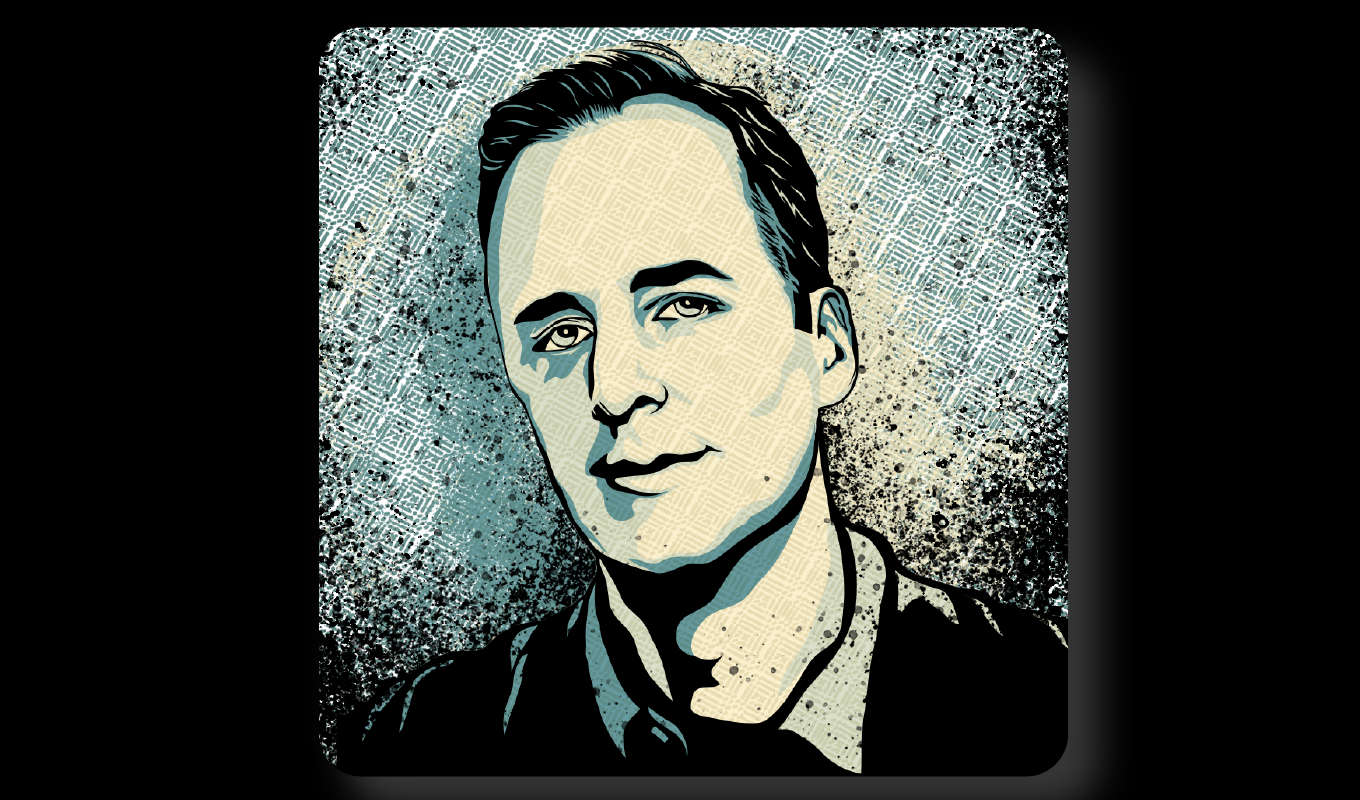
Marshall Allen (courtesy Marshall Allen Project)
Marshall Allen Project newsletter continues to help patients to 'never pay the first bill'
By Michael Miller · Apr 13, 2026
The effort to empower health care patients to “never pay the first bill” continues with the Marshall Allen Project newsletter.
Marshall Allen, who died in May 2024, created the newsletter and published the book Never Pay the First Bill: And Other Ways to Fight the Health Care System and Win in 2021.
His widow, Sonja, has continued his efforts to help patients navigate the complex health care billing system by overseeing the newsletter as well as the Marshall Allen Clone (MAC), a free artificial intelligence tool to help patients understand hospital billing.
The newsletter has attracted about 10,000 subscribers and Marshall’s LinkedIn account has more than 12,000 followers.
Patient experiences and successes
Recent newsletter topics have included
- Samaritan members Alvin and Lindsay Bockwinkel questioning what appeared to be (and were) duplicate charges of $11,000 each—and successfully getting their bill reduced.
- A Californian whose emergency room bill doubled after health insurance was applied to his bill.
- A New Yorker getting slammed with an ER bill but fighting back by doing research and writing appeal letters.
Newsletter posts from the most recent 30 days are free to view online, but a subscription is required to view posts older than that. The Marshall Allen Project is a nonprofit foundation, so donations are also “greatly appreciated,” Sonja said.
“Anything that we receive goes back to grow and develop this whole system,” she said.

Andrew Gordon, chief writer for the Marshall Allen Project newsletter
Patient success stories
The newsletter effort, which features stories of patients who have successfully challenged unfair billing, is now spearheaded by Andrew Gordon, who had started working with Marshall not long before the latter’s death.
“I really valued the fact that he was sticking up for the little guy, the patient, and articulating that voice,” Andrew said. “The newsletter aims to educate, equip, and empower patients.”
He said he’s seeing success.
“Given Marshall’s book, given the newsletter, given some of the tactics and stories in the posts, I am absolutely seeing a wave of informed consumers and individuals who are asking better questions, expecting more information and leveraging some of these things that are at their disposal to make better decisions for themselves and their family members.”
Continuing the mission
After Marshall’s death, Andrew reached out to Sonja and offered to help continue Marshall’s legacy. Andrew had already done independent research into the lack of hospital financial transparency and was familiar with the fact that often hospitals overcharge or charge for services or supplies they didn’t actually provide.
“There was a lot of opacity there,” he said.
He had even submitted some stories of his own to Marshall.
As a social worker who works in a psychiatric hospital, Andrew said he would “very much describe myself as an advocate for the people and somebody who seeks to see multiple perspectives.”
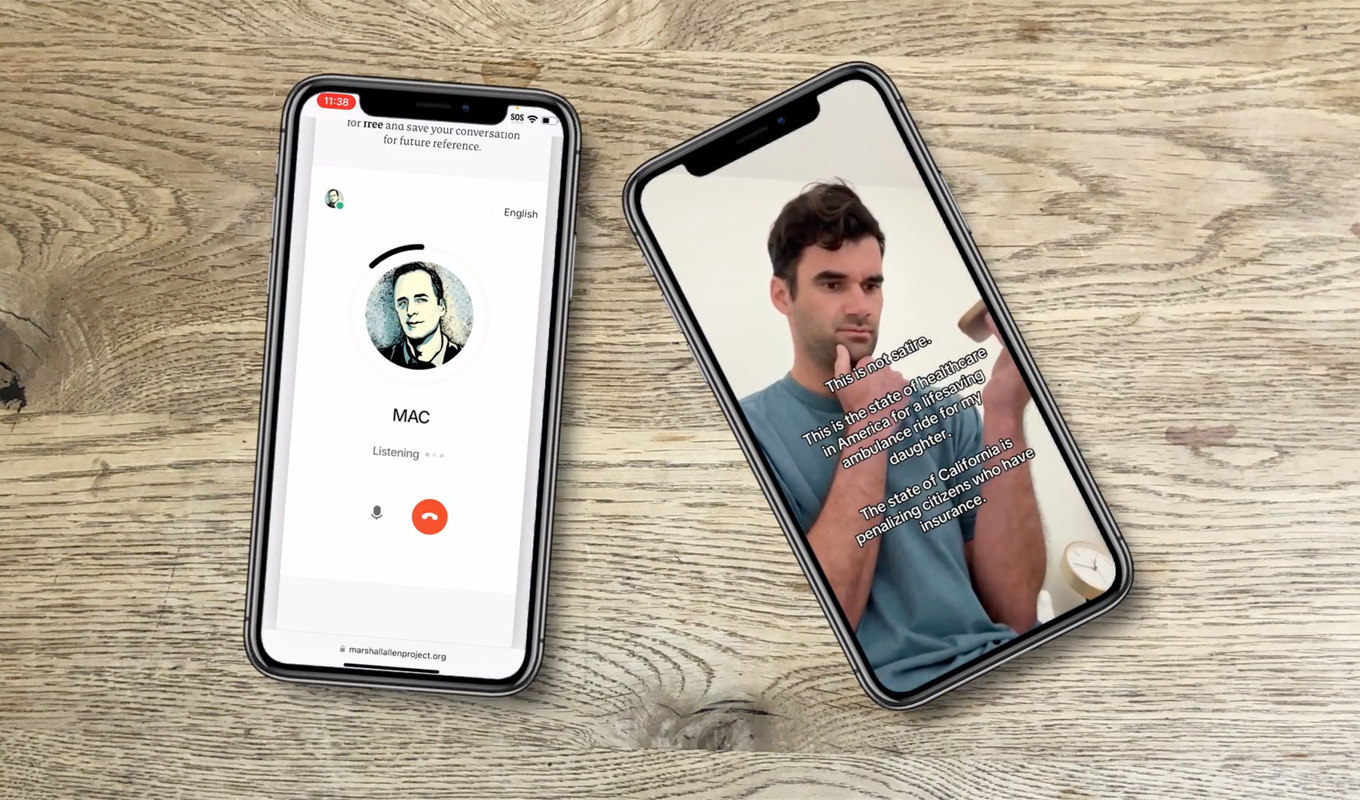
The Marshall Allen Project website features an AI app to answer questions about medical billing.
Real world wins
The newsletter continues the practice of telling patients’ victory stories, which can be submitted at the project’s website. Several posts have featured Samaritan Ministries members’ successes.
“Individuals who are part of health sharing groups need to be prudent fiduciaries of their health care dollars,” Andrew said. “There’s also this heightened sense of community and responsibility for the dollars that are being allocated, because it’s not just XYZ insurance company that’s picking up the bill and raking in a gazillion dollars in premiums.
“So we feel a great sense of alignment in the mission between our organization and what (Samaritan Ministries members) are standing for.”
The goal is to help all patients to learn about hospital charges and to question their bills.
“It’s inspiring people to say, ‘Oh, you know, I picked up this book, I read this article online, and now I actually have the courage myself to want to do something because I feel like even though it is a large hospital system, John or Mary or Joe had success, so I can, too,” Andrew said.