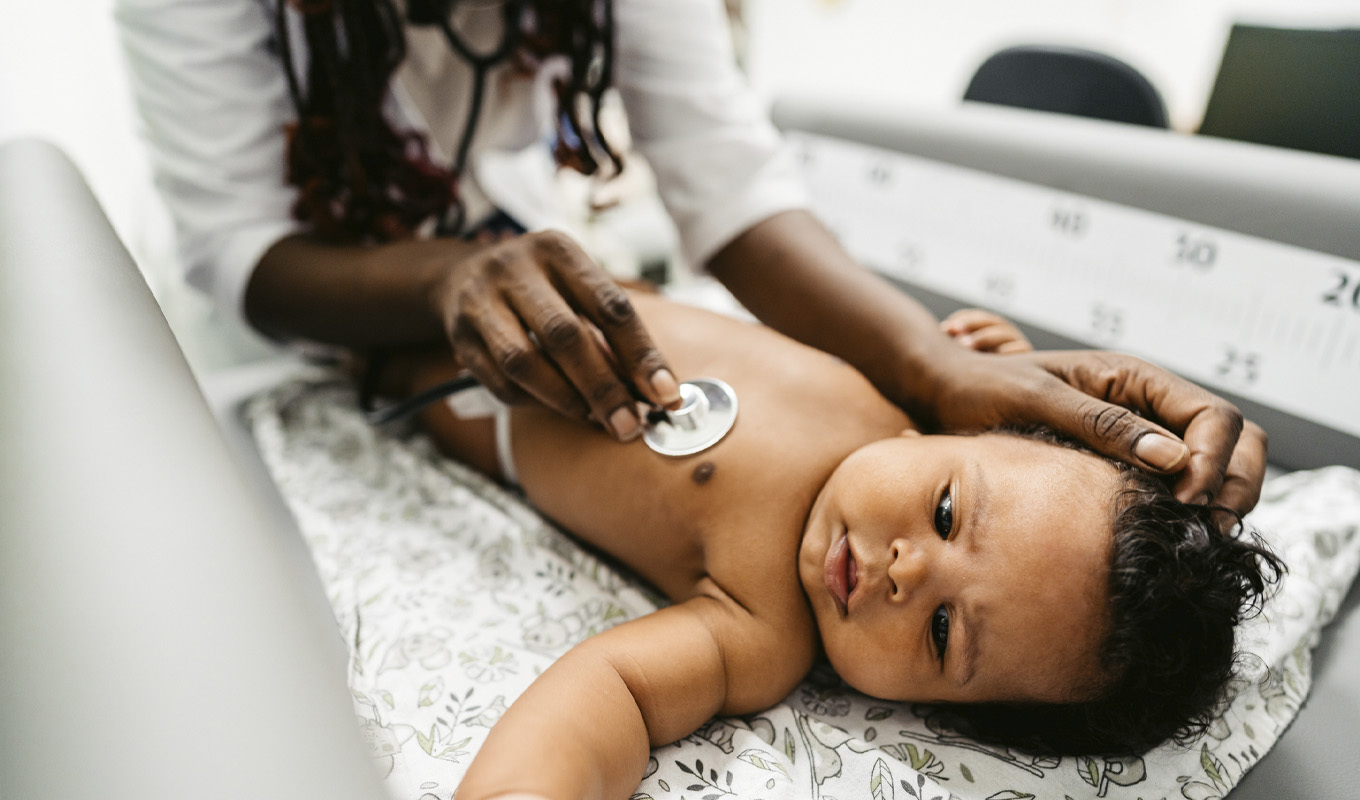
Choosing where to give birth: Hospital
By Anna Moore · Jun 19, 2024
Part 2 of 3.
Read part 1 here.
The gift of new life is a miracle from God. The decision where to give birth involves the parents considering many factors including the safety and comfort of mother and baby, personal convictions, and preferences. In this three-part series, Samaritan Ministries shares information and member experiences related to home, hospital and birth center births.
Hospital births are considered the norm for labor and delivery in the U.S., with 98 percent of births occurring in hospitals. Some couples, like Samaritan Ministries members Jacob and Alicia Schreibeis of Montana, have preferred it.
“I initially did hospital births because I really didn’t know of any other options,” admitted Alicia, a mother of seven. “It was just what you were supposed to do.”
Alicia is grateful, however, that her first childbirth was at a hospital. Her placenta had ruptured the night before she delivered, and she needed an emergency cesarean section because her baby was not moving.
“I had experienced a blunt force trauma to my abdomen, which caused the rupture,” she said. “My research afterward told me that this was potentially fatal for both baby and me. She wasn’t getting enough oxygen, yet miraculously God spared her life and mine.”

Samaritan Ministries member Alicia Schreibeis of Montana with her twins, Hope and Allie. (Supplied photo)
Intensive care services offered by hospitals are collectively one benefit of delivering a baby there—one that can be lifesaving or, at the very least, an added comfort.
Kyleigh Dunn, a Samaritan member in Oregon and mother of four, experienced her second, third, and fourth births in a hospital setting for this reason.
“I did some research and basically just decided I was more comfortable in a hospital, largely because I felt safer with an operating room down the hall,” she said.
Many services available
Hospitals offer many services not always available for home births or at birthing centers, such as immediate access to monitoring technology, medicinal pain relief, and operating rooms, if needed or desired. Mothers who desire to have an epidural, or spinal anesthesia, may do so, as there are anesthesiologists available.
Doctors and neonatologists at hospitals can also handle complications associated with high-risk pregnancies or premature births, with the neonatal intensive care units that are available. Those who are considered high-risk are encouraged to give birth at a hospital because of the quick access to medical care. If any birth defects or illnesses are detected, hospital staff can address those concerns immediately.
Longer recovery from birth may be a desire for mothers, and this also could be considered a benefit for having a hospital birth.
“Some women like to recover in the hospital for a couple of days,” said Chandra Lattig, co-founder of Pregnancy By Design and a Samaritan member.
Labor and delivery units employ nurses who help to take care of newborn babies so mothers can rest and recover. Nurseries are available as a place for the babies to stay while the mother rests.
Other services offered at hospitals include lactation consultants, nurses who help with the baby and postpartum care, prepared food, and janitorial staff so there is no need to worry about cleaning up. Hospitals also help with birth certificate paperwork and offer immediate access to circumcision and phenylketonuria (PKU) testing if needed.
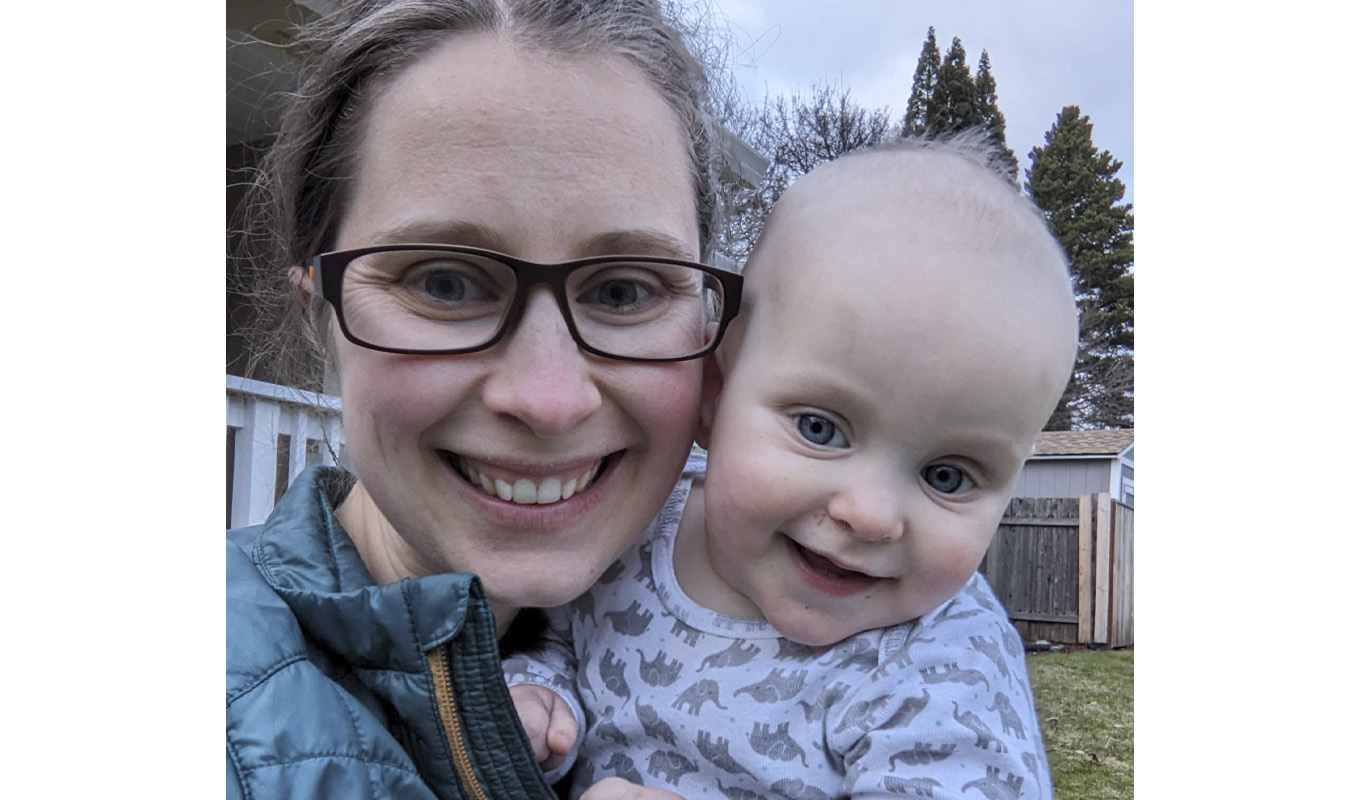
Samaritan Ministries members Kyleigh and Ruhama Dunn. (Supplied photo)
Classes are also typically offered by hospitals as parents prepare for their baby to be born. Topics vary among hospitals and classes, but some include what happens to the body when pregnant and in labor, nutrition for mother and baby, types of delivery, pain relief techniques, breast feeding, and how to care for baby. Most hospitals also offer tours of their birth facilities in advance of the delivery.
Consider interventions and interruptions
Some potential downsides of giving birth at a hospital are the protocols in place that may work against a mother’s desires. Mothers may not be able to eat or drink while in labor at the hospital, and there is generally a continuous IV drip going, which the mother is tied to. About 87 percent of women have continuous fetal monitoring, which also limits how much they can move around.
“Moving is important in labor because it helps the baby come down,” Chandra said. “It’s gravity. If you’re standing in an upright position, the baby can come down. If you’re lying on your back and tied up to all these machines, it just slows labor down and is very restrictive.”
Medical and nonmedical interventions are considered by doctors when labor is not moving along at the pace they desire. These interventions include labor induction through breaking water or using Pitocin and an epidural, which comes with additional monitoring and urine catheter placement. Pregnancy by Design says that these interventions can have complications, potentially resulting in a C-section.
About 32 percent of pregnant women have a C-section in the hospital, while only about 5 percent of home births end up being transferred for a C-section, and 6 percent of birth center births result in a C-section.
There is also a chance mothers will not be able to deliver their baby with their planned doctor, depending on whether the doctor is available. Midwives and doulas, however, typically clear their schedules to ensure they are available around the due date.
Hospital rooms also could be shared, depending on how busy the facility is at the time.
‘You can speak up’
Although hospitals operate as businesses and their employees must follow protocols, parents do have the ability to advocate for the birth experience they desire. The husband, midwife, or doula could also help advocate for the mother.
“If you do want to do a hospital birth, please know that you can speak up and opt out of many standard hospital protocols,” Alicia said. “I didn’t know this, but if I had to return to the hospital for another delivery, I would say ‘no’ to many interventions now. Thankfully, a lot of hospitals are starting to embrace this mindset of allowing the patient to have more say in her delivery experience.”
‘There’s risk wherever you give birth’
No matter if a mother chooses to have her baby at a hospital, at home or a birth center, it’s important to realize there are risks associated with every birth, no matter where it is.
“There’s risk wherever you give birth, and it’s just a matter of gauging what you’re more comfortable with and being educated about birth,” Kyleigh said. “For some people, being in the hospital is a lot scarier because of the unnecessary interventions, and then for some people, being at home is a lot scarier because of how quickly things can go wrong. So, I just realized with mine, I felt more comfortable with the risk of interventions than I did with the risk of emergency.”
Kyleigh recalled something one of her midwives told her that helped ease some birth anxiety: “Worry about what you can control.”
“It’s just the idea that a lot of this is out of my control, but I can make sure my body is nourished, I can make sure that I’m moving and sitting in ways that are going to help the baby by being in a good position,” she said. “There are things that are not in my control, and I have to just not worry about it. Ultimately, our trust is in the Lord and not in where we’re giving birth or in having a perfect birth.”
If your family is planning where to have your baby, Pregnancy by Design offers a My Birth Profile Assessment where moms learn about the key areas that influence their birth experience: their personality, beliefs about birth, birth place, health care provider, and birth knowledge. The course was designed to help women make more informed choices in their birth care. Samaritan members can get a 25 percent discount on the My Birth Profile Assessment and Beyond the Birth Plan Childbirth Course using the code: BABY2024.
The information provided in this article is for educational purposes and is not meant as medical advice. It is the opinion of the writer. The information is not meant to replace a one-on-one relationship with a qualified health professional.