Choosing where to give birth: Home
By Anna Moore · Apr 19, 2024
See also: Thinking about different models of maternity care.
Part 1 of 3.
The gift of new life is a miracle from God. The decision where to give birth involves many factors, including the safety and comfort of mother and baby, personal convictions, and preferences. In this three-part series, Samaritan Ministries shares information and member experiences related to home, hospital, and birth center births. For Samaritan maternity sharing, see Part IX of our Guidelines.
The desire to experience a major event like giving birth in an environment that is familiar, comfortable, and one’s own leads many mothers to choose to have their babies at home.
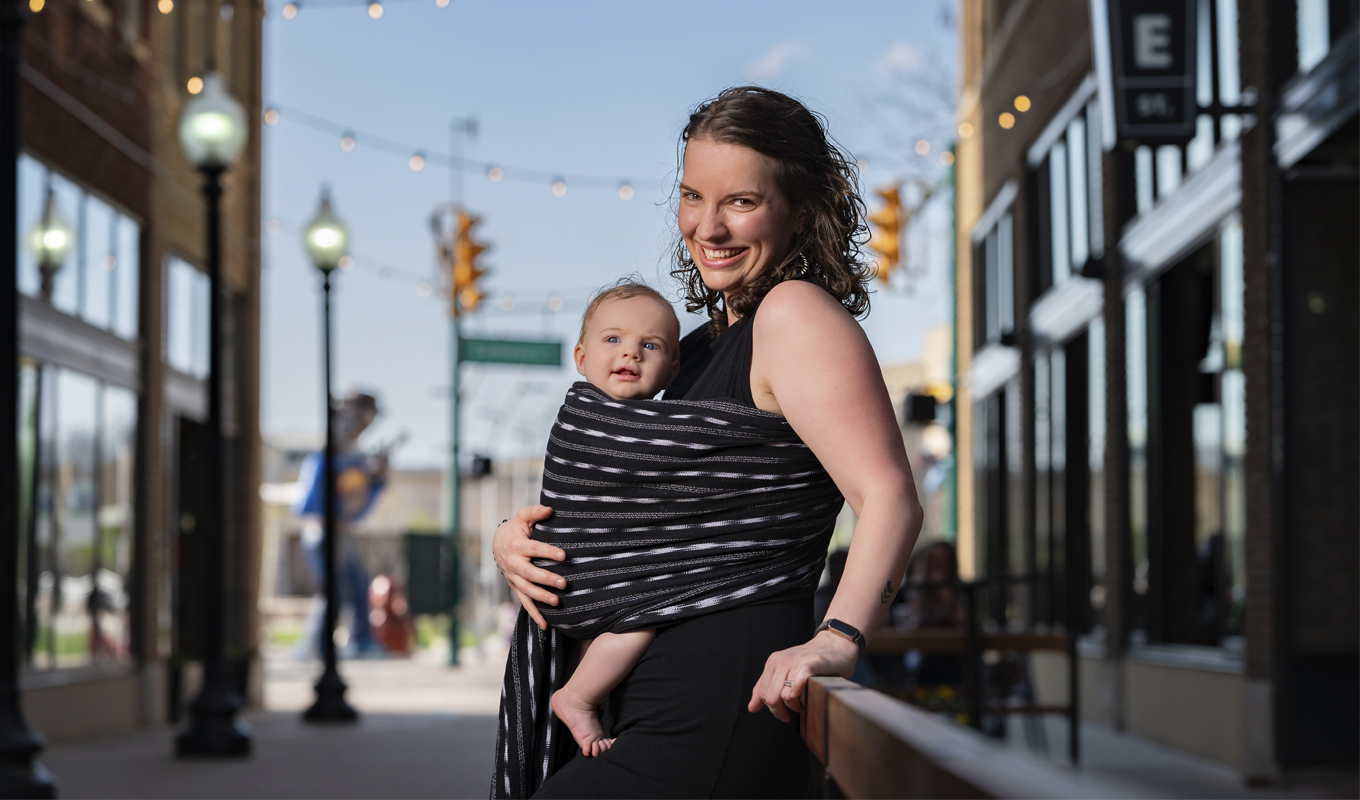
Danielle Ellis and her husband, Josh, of West Virginia said she decided to give birth at home because she desired a sense of control for her first birth experience. She wanted to be able to labor in any position, walk around, and eat and drink in labor.
“I especially wanted to immediately be able to snuggle and breastfeed my newborn,” Danielle said. “I didn’t want to have my baby taken away from me, especially as they do in the hospital to clean them and do their immediate Apgar scoring (health evaluation). I wanted to be able to have that golden hour with my baby at home, and that’s exactly what we got.”
Homebirths trending upward
According to National Vital Statistics Reports, only 1.41 percent of total U.S. births in 2021 took place in a home. That number, however, is trending upward as home births in 2021 increased 0.15 percent from 2020.
Danielle advises expectant moms to choose a location to give birth where they are most comfortable, not necessarily what is closest or most convenient.
“Your body needs to be relaxed,” Danielle said. “If that’s a hospital setting for you, OK, but if it’s not, don’t be afraid of home birth. If that’s where you’re most comfortable, then welcome that experience and embrace it and get a qualified midwife. There’s nothing that can replace the feeling of snuggling your newborn in your own bed at home after birthing them.”
‘Friendlier bacteria’
After a scary experience with her first birth, which was in a hospital, Samaritan Ministries members Christine Gibson and her husband, Kevin, of Florida, decided to have their second child at home, which gave her enough confidence to continue the experience with her third, fourth, and fifth babies.
“We were not happy with the traditional hospital experience,” Christine said. “My baby ended up in a NICU (newborn intensive care unit) because of the care we received, and I was pretty traumatized. I hemorrhaged for 12 weeks after the birth, and my baby had to get brain scans, and we were just like, ‘Who would do this twice?’ It was one of those typical births where one thing leads to the next, and we were just very scared off by the type of treatment that my baby and I got. It wasn’t an experience that we wanted to repeat.”
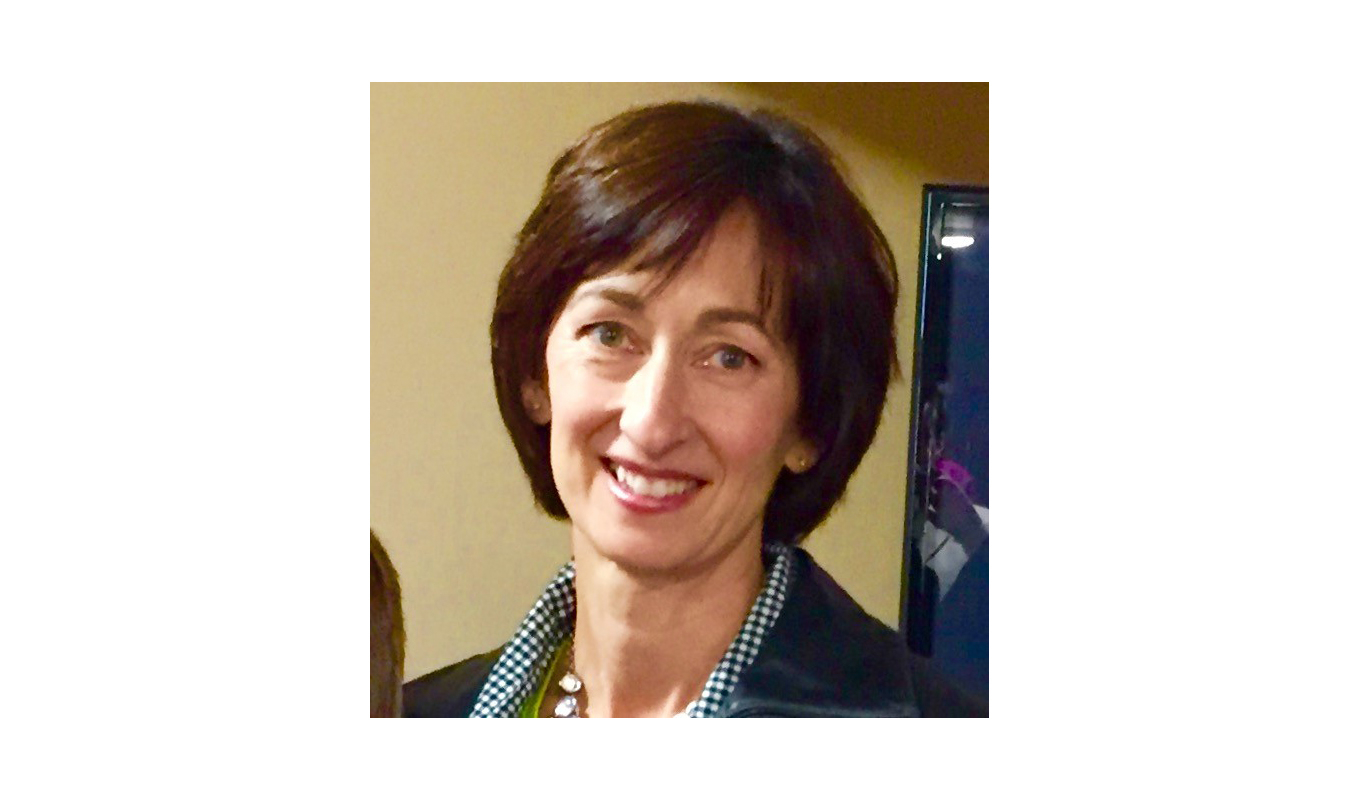
Christine Gibson (supplied photo)
Christine said they wanted to feel safer and have more control of their care once the next baby came. When she got pregnant again, the couple investigated different options, including a birth center that employed midwives who also delivered in the mothers’ homes.
“The reason our midwife favored delivering at home is that the bacteria in your home is friendlier,” Christine said. “If you’ve already committed to giving birth naturally, the midwife group said their midwives will catch anything and rule anything out far ahead of labor.”
Babies get much of their personal make-up of bacteria, or their microbiome, at birth and during the first months of life, according to Chandra Lattig, co-founder of Pregnancy By Design and a Samaritan member. She said that a baby’s gut health is greatly influenced by how a baby is born and by environmental factors, such as a sterile environment at a hospital versus a home where bacteria exist. Babies born in a sterile environment may be more likely to be colonized by the hospital’s microbiome rather than that of the mother and father. If a baby is not born vaginally through the birth canal, where bacteria inhabit the baby to form its first microbiome, breast milk has been found to contain beneficial bacteria like that found in the birth canal and mother’s body.
Today the Gibsons have five children—all adults now—and the four youngest were born at home.
“They were so much more comfortable than the first birth,” Christine said. “When I was at home, I could get up and shower; I could turn off the lights. I asked to be alone for a couple hours to see if that worked better for laboring, and I found out with all my babies that I labored much easier if I were alone in a quiet place, reading or keeping myself calm, and I was able to move right through labor.”
Exceptions and advantages
There are some instances where a home birth would be required to transfer to a hospital setting. Most of the time when a transfer happens, Chandra said, it’s not an emergency or life-threatening but due to labor not progressing. For about 90 percent of home births, however, no driving is required. Around 11 percent of home births require transfer to a hospital.
“It’s private; it’s comfortable. You don’t have to drive anywhere,” Chandra said of home births. “You can avoid foreign germs and exposure that you would have in the hospital or even birth center. It’s all your own germs at home and your familiar bacteria, so you have less risk of infection.”
Home births do, however, bring a greater responsibility than births at hospitals or birth centers.

Chandra Lattig (supplied photo)
“You’re participating in the decision making and you’re also accepting the consequences if something goes wrong,” Chandra said. “However, you realize it’s not a popular or socially acceptable choice to give birth at home, so you’re much more diligent about preparing for the birth.”
One important thing to keep in mind when considering a home birth is there is no pain relief in the form of an epidural or nitrous oxide like there would be at a hospital and some birth centers. Other forms of pain management are available, including hydrotherapy in a birth tub. Access to blood transfusions or operating rooms are not readily available either.
Setting boundaries with other children or relatives in the family during and after the birth can also be a challenge at home.
Creating a strong mom
The home birth experience may offer a more intimate setting than a hospital or birth center.
“As believers, we get to see how God designs it all to work, and when you think about how amazing it is and how all of the hormones that are involved in birth like oxytocin—which is the ‘love hormone’—all of that floods the room after vaginal birth, and everybody in the room feels it,” Chandra said. “It’s just like this huge dose. It’s amazing and everyone’s happy.”
All the work and detail in the homebirth experience can also leave women empowered for motherhood, she said.
“It creates a mom who believes that she can do the hard work of birth,” Chandra said. “It enables her to go into motherhood with that same position of strength.”
Samaritan Ministries allows member families to choose the location of birth, sharing equally for home births, birthing centers, and hospital births in Samaritan™ Classic and waiving the initial unshareable amount for home births in Samaritan™ Basic.
If your family is researching where to have your baby, Pregnancy by Design offers a My Birth Profile Assessment where moms learn about key areas that influence their birth experience, including their personality, beliefs about birth, birth place, health care provider, and birth knowledge. The course was designed to help women make more informed choices in their birth care. Samaritan members can get a 25 percent discount on the My Birth Profile Assessment and Beyond the Birth Plan Childbirth Course using the code BABY2024.
The information provided in this article is for educational purposes and is not meant as medical advice. The information is not meant to replace a one-on-one relationship with a qualified health professional.