
Sleep is an important building block in your foundation of health
By Mary Voogt · Feb 19, 2025
Part 2 of 3
Have you ever watched a toddler try to build a block tower? It wobbles and sways with each addition. There are usually only a few layers built before the entire structure loses its stability and comes tumbling down.
You can’t build something strong without a solid foundation, including robust health.
The first two foundations of good health are hydration and eating whole foods. The third foundation is sleep.
What happens when we sleep
Getting sufficient sleep in both quantity and quality is an essential component of good health that many ignore. It may seem like lost time, but there is actually a lot going on while you sleep, including:
- Brain processing, memory formation, and consolidation. Your brain doesn’t shut off while you’re asleep. Studies show that some regions of the brain are more active during sleep than during time awake.
- Energy conservation. Metabolism is reduced by as much as 10% during sleep.
- Dreaming. Though dreaming is not well understood, it is thought to be involved in the integration of experiences and emotions.
- Tissue healing and growth. The production of growth hormone, which is required to grow new tissue, is at its highest in the overnight hours. Because your body is conserving the energy of talking, thinking, and eating, you are free to spend your energy reserves on these important healing processes.
- Immune system function. Numbers and activity of immune cells are higher during the nighttime hours, making sleep very important for long-term health.
- Synaptic plasticity. You are constantly making new neural connections. The brain will reinforce and strengthen the connections that you use most often. If you don’t use it, you lose it! This process is dependent on getting the appropriate amount of sleep regularly.
- Detoxification of the brain and other parts of the body. Cells produce waste through energy use, and it must be escorted out after entering the blood stream. The liver and kidneys filter waste to further escort the toxic compounds out of the body. Your brain cells shrink dramatically while asleep, freeing up extracellular space by up to 60%. This allows more space between the cells for removal of toxins. Your biological systems and foundations cease to function normally if there is a toxic burden. Sleep normalizes these systems, allowing them to start fresh each day.
- Microbiome management. Sleep has a hand in the maintenance of our gut flora and adequate sleep will promote a thriving microbiome.
How lack of sleep affects the body
Even short-term sleep deprivation has an impact on your physical health. Lack of sleep is a stressor to the body and impacts many systems.
- Digestion: Lack of sleep often drives us to poor food choices. Hunger signals increase while fullness signals decrease. While you sleep, the digestive system can rest and repair. Without this sleep, necessary healing and waste cleanup cannot happen appropriately.
- Blood sugar: Sleep loss increases the risk of diabetes. Sleep deprivation can bring on blood sugar dysregulation so profoundly that it could be classified as pre-diabetic after only one week of disrupted sleep.
- Fatty acid balance: Sleep impacts insulin resistance as well as measurable free fatty acids in the blood. When you don’t get enough sleep, detectable free fatty acids rise, which contributes to insulin resistance, a major player in the development of metabolic disease.
- Endocrine system: Sleep disturbances impact almost every hormone involved with the menstrual cycle. Whether it is the HPA axis, the thyroid, or reproductive glands, lack of sleep will inherently impair the entire endocrine system.
- Immune system: The strength of your immune system depends on how much sleep you get. Consistent sleep deprivation (less than six or seven hours of sleep nightly) can decrease immune function.
- Cardiovascular system: Sleeping fewer than five hours per night increases your risk of heart attack by 45%. Getting less than six hours of sleep daily is associated with increased blood pressure. With lack of sleep, the sympathetic nervous system goes into overdrive, your body releases more cortisol, and your cardiovascular system gets damaged over time.
- Obesity: The occurrence of obesity is deeply rooted in decreased sleep quantity. Obesity risk increases precipitously for those who sleep less than seven hours per night.
- Brain and nervous system: Sleep is a proven memory aid, and research has shown that sleep prior to studying makes space for new material. Sleeping after studying helps to prevent forgetting what you’ve learned by cementing the memories. Many types of mental illness and mood disorders are associated with sleep deprivation, though not all, as many mental illnesses have a much more complex story.
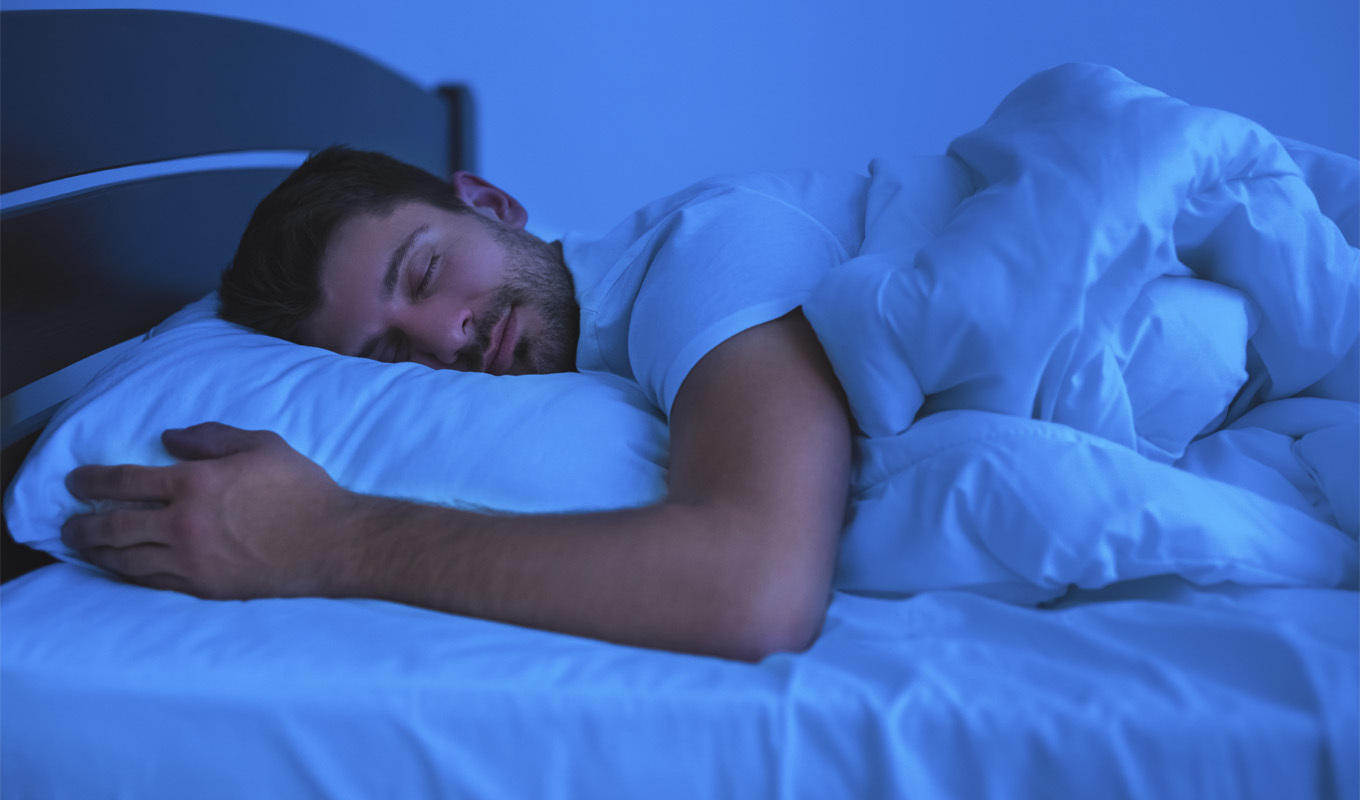
Create an environment for sleeping that feels peaceful or relaxing to you. (iStock)
How to create a good sleep environment
As you can see, it’s essential to prioritize sleep. This can be improved by creating a good sleep environment. Here are some suggestions on how to get your best sleep.
- Make sure your room is dark. Particularly make sure that it’s free from cool, bright light sources to protect your circadian rhythms. Placing dark tape over LED lights or removing those objects from the room and adding black-out curtains can be very helpful.
- Create a calm environment. Decorate your room in a way that feels peaceful or relaxing to you.
- Regulate the temperature. Body temperature drop at night is an important aspect of circadian rhythms. Most studies show people sleep best at a room temperature of approximately 65 degrees F.
- Unwind a few hours before bed. Make sure you’ve allowed at least a few hours in the evening, before bed, to disengage from work and stimulating activities.
- Maintain a consistent bedtime. It is just as essential to have a consistent bed and wake time as it is to get enough sleep. This goes for weekends and weekdays alike.
- Part with electronics one to two hours before bed. If you must use them, it’s advised to avoid blue light, as it suppresses melatonin production (the sleep hormone). Red light isn’t as disruptive to sleep.
- Take a bath or shower, or wash your face in the evening. This promotes blood flow, lowers body temperature, and calms the nervous system—all things that encourage sleep.
Making quality sleep a priority is one simple way to take care of your body.
Next month: Five final pieces of your health foundation.
Mary Voogt is a nutritional therapy practitioner and creator of Just Take a Bite LLC. She blogs at JustTakeABite.com.
The information provided in this article is for educational purposes and is not meant as medical advice. It is the opinion of the writer. The information is not meant to replace a one-on-one relationship with a qualified health professional.