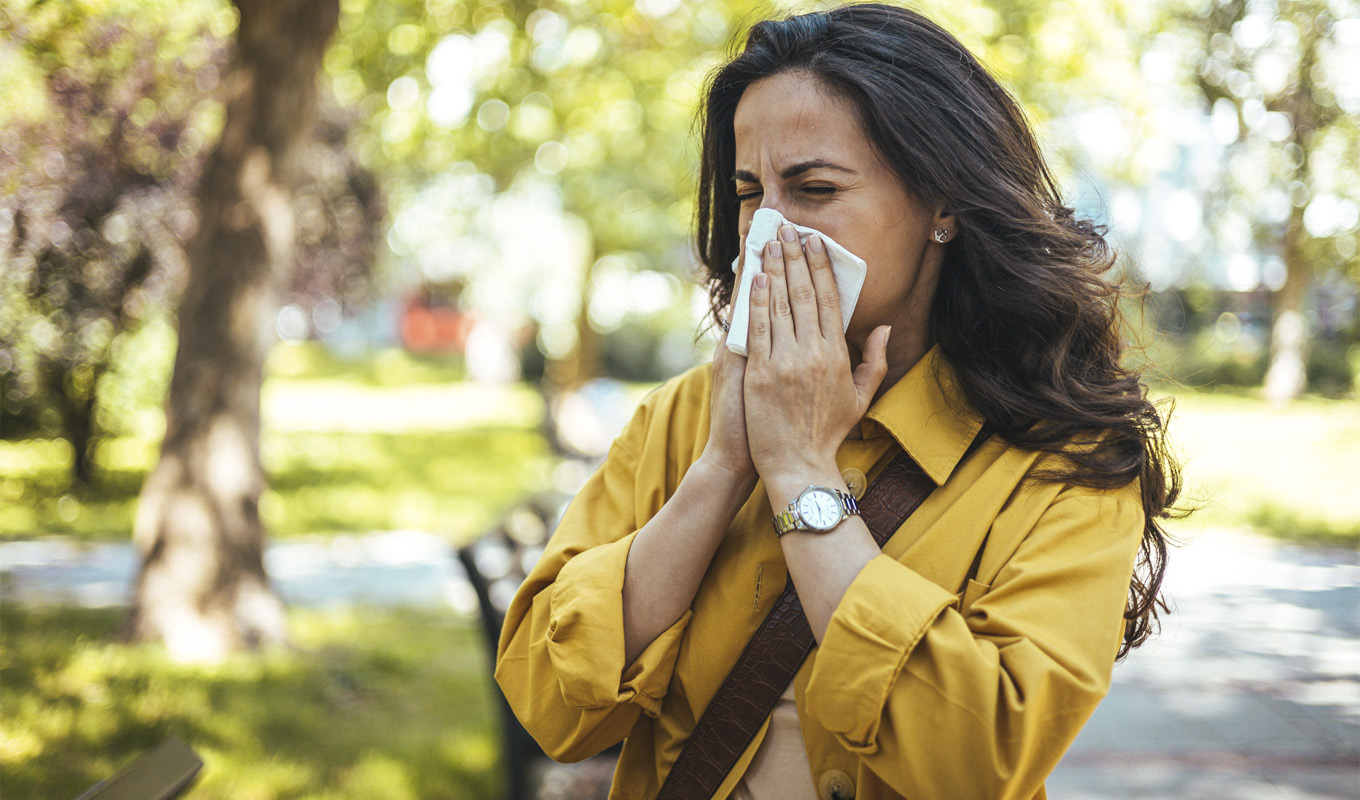
Seasonal allergies: Here are some tips on breathing more easily this year
By Anna Moore · Apr 16, 2025
As flowers blossom, leaves emerge, and green grass grows, spring has a way of reminding us of the beauty of new life.
The various colors and blooms of spring can also bring about suffering for some, though, through seasonal allergies.
Body overreacts
Dr. Mervat Nassef, allergy and immunology specialist at New York-Presbyterian Morgan Stanley Children’s Hospital, says seasonal allergies (or allergic rhinitis, commonly known as hay fever) develop when the body’s immune system overreacts to something in the environment, such as pollen.
Allergies can occur anytime of the year, but are especially common during spring, summer, and fall when plants pollinate.
Symptoms for seasonal allergies can include:
- itchy nose
- runny nose
- congestion
- sneezing
- watery eyes
- red eyes
- swollen eyelids
- itchy throat
- cough
- fatigue
- poor sleep
Here are some common allergens prone to cause those symptoms, according to the Mayo Clinic:
- tree pollen, which is common in early spring
- grass pollen, which is common in late spring and summer
- ragweed pollen, which is common in fall
- dust mites and cockroach droppings, which are common year-round
- pet dander, which is common year-round, but could cause worse symptoms in winter when houses are more closed up
- spores from indoor and outdoor fungi and molds, which can be both seasonal and year-round
Alleviating seasonal allergies
If you know you have seasonal allergies, then consider what’s causing them and reduce your exposure to that source.
For instance, if you know tree pollen is the source of your springtime allergies, then consider staying indoors on dry, windy days, when pollen will likely be highest. Check the forecast for pollen count in your area.
Avoid outdoor tasks like lawn mowing, weed pulling, and gardening early in the morning, when pollen counts are highest. If you must work outdoors, the Mayo Clinic recommends that you wear a face mask. After you’re done, take a shower to get rid of pollen that gets in your hair and on your skin.
Another suggestion is to avoid hanging laundry outside, since pollen can stick to it.
If high pollen counts are in the forecast, consider taking allergy medication before your symptoms begin. Keep doors and windows closed at night, or anytime when the pollen count is high.
Keep the air clean inside. You can do this by:
- using air conditioning in your home and vehicles;
- using high-efficiency air filters on your heating, ventilation, and air-conditioning (HVAC) units;
- following regular maintenance schedules on HVAC units;
- using a dehumidifier to keep indoor air dry;
- cleaning floors often; and
- using a portable, high-efficiency, particulate air filter in your bedroom.
Because allergic reactions are inflammation in the body, consider eating an anti-inflammatory diet. Foods known to help reduce inflammation in the body and/or strengthen the immune system would be great choices. Some foods that do this include ginger, turmeric, citrus fruits, oily fish such as salmon, and nuts like almonds and cashews, according to Healthline.
Remedies to consider
If you are experiencing symptoms, rinse your nasal passages with a saline solution to flush out mucus and allergens from your nose. Rinse the device you use to do that after each use with clean water and let it dry.
For a homemade saline solution, use 1 quart of bottled or filtered water, 1½ teaspoons of canning salt, and 1 teaspoon of baking soda.
For alternative treatments, the Mayo Clinic says, extracts of the shrub butterbur, spirulina (a type of dried algae), and other herbal remedies could help improve symptoms. Acupuncture has also shown possible benefits.
Over-the-counter medications can also help alleviate or prevent symptoms. These include:
- oral antihistamines to relieve sneezing, itching, stuffy or runny nose, and watery eyes;
- corticosteroid nasal sprays to improve nasal symptoms;
- cromolyn sodium nasal spray to block the release of immune system agents that cause symptoms. This treatment works best if started before exposure to the allergens; and
- oral decongestants to provide temporary relief from nasal stuffiness.
If your lifestyle changes and remedies aren’t enough to help with your seasonal allergies, your doctor might want you to get tested to determine the causes and severity of your allergies.
But don’t give up! The Centers for Disease Control and Prevention reports that allergies—whether seasonal allergies, food allergies, or eczema—affect about 1 in 3 U.S. adults and 1 in 4 children. They are very common and help is easily available so that many people can enjoy all four seasons without ongoing symptoms.
The information provided in this article is for educational purposes and is not meant as medical advice. The information is not meant to replace a one-on-one relationship with a qualified health professional.