
Nourish & Flourish: That cup of tea is both cozy AND healthy
By Michael Miller · May 31, 2025
Drinking tea is great for a cozy day, but also helps you to stay healthy, according to SilverSneakers.
The key is that “true teas,” such as black, green, and oolong, are rich in flavonoids, which are believed to be at the heart of anti-aging benefits linked to tea. (Herbal teas are altogether different.)

(iStock)
Here are the possible health benefits of teas.
- Black teas: These teas are the strongest in taste and contain antioxidants, which help protect cells from oxidative stress and inflammation. Note, however, that they also have the highest amount of caffeine.
- Green teas: These have a milder flavor and less caffeine than black tea. They also are a good source of catechins, which are antioxidants that have anti-tumor powers. Other benefits green tea has been linked to include improved brain function, lower blood pressure, balanced blood sugar, and improved bone strength. Green tea is often flavored by herbs, such as jasmine.
- Matcha: This powdered version of green tea is made of finely ground green tea leaves and is dissolved in water. It brings along green tea’s antioxidant boost.
- Oolong: This semi-oxidized tea falls between the taste strength of black and green teas. While research is lacking, one study found a possible link between oolong and higher bone mineral density in postmenopausal women.
- Rooibos: Technically an herbal tea, rooibos has a strong flavor like black tea and is caffeine-free. It also has many antioxidants including flavonoids.
(iStock)
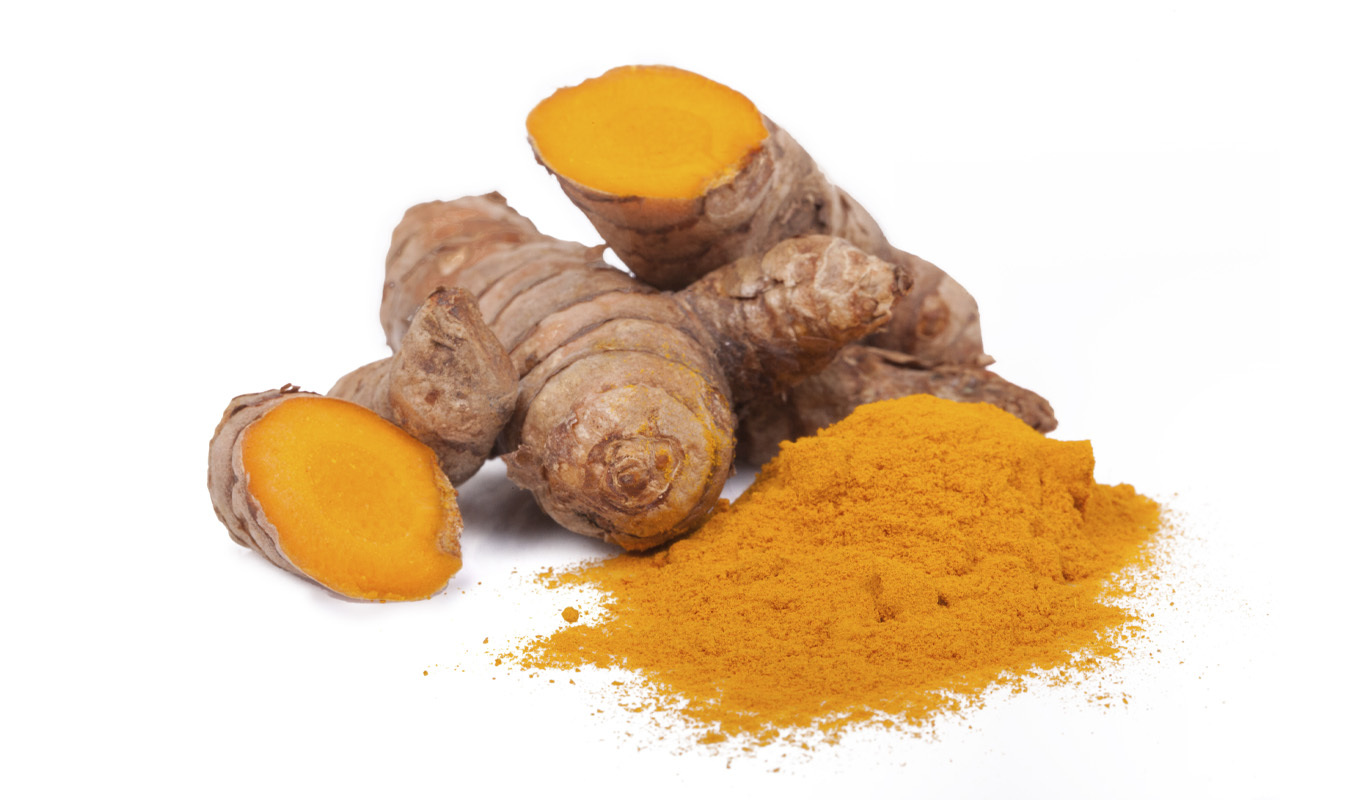
Turmeric may ease indigestion
Turmeric has seen a surge of popularity in the West in recent years, particularly for treating indigestion. The spice, which gives curry its yellow color, “may be just as good at fighting indigestion” as a popular over-the-counter medicine known as omeprazole.
Everyday Health reports that a recent study showed turmeric’s active ingredient curcumin resulted in “similar declines in symptom severity” for indigestion as omeprazole did in the treatment groups.
This wasn’t unexpected. Turmeric has long been used in the East for indigestion.
There’s always the question of side effects, of course. This study didn’t note any serious problems with taking turmeric, but “lab tests showed some people (who were) overweight who took curcumin had markers for liver function deterioration.”
The Everyday Health report quoted gastroenterologist Dr. Yuying Luo, who said that people who want to try turmeric for indigestion should do so for two to four weeks and then stop taking if side effects pop up or indigestion persists.
And be sure to let your doctor know you’re taking turmeric, Luo added.
Want to cook with turmeric? Kitchen Stewardship has great recipes like this one.
The information provided in this post is for educational purposes and is not meant as medical advice. The information is not meant to replace a one-on-one relationship with a qualified health professional.