
Missional medicine: Samaritan member and bioethicist shares his vision for redeeming health care
By Samaritan Ministries · Oct 25, 2022
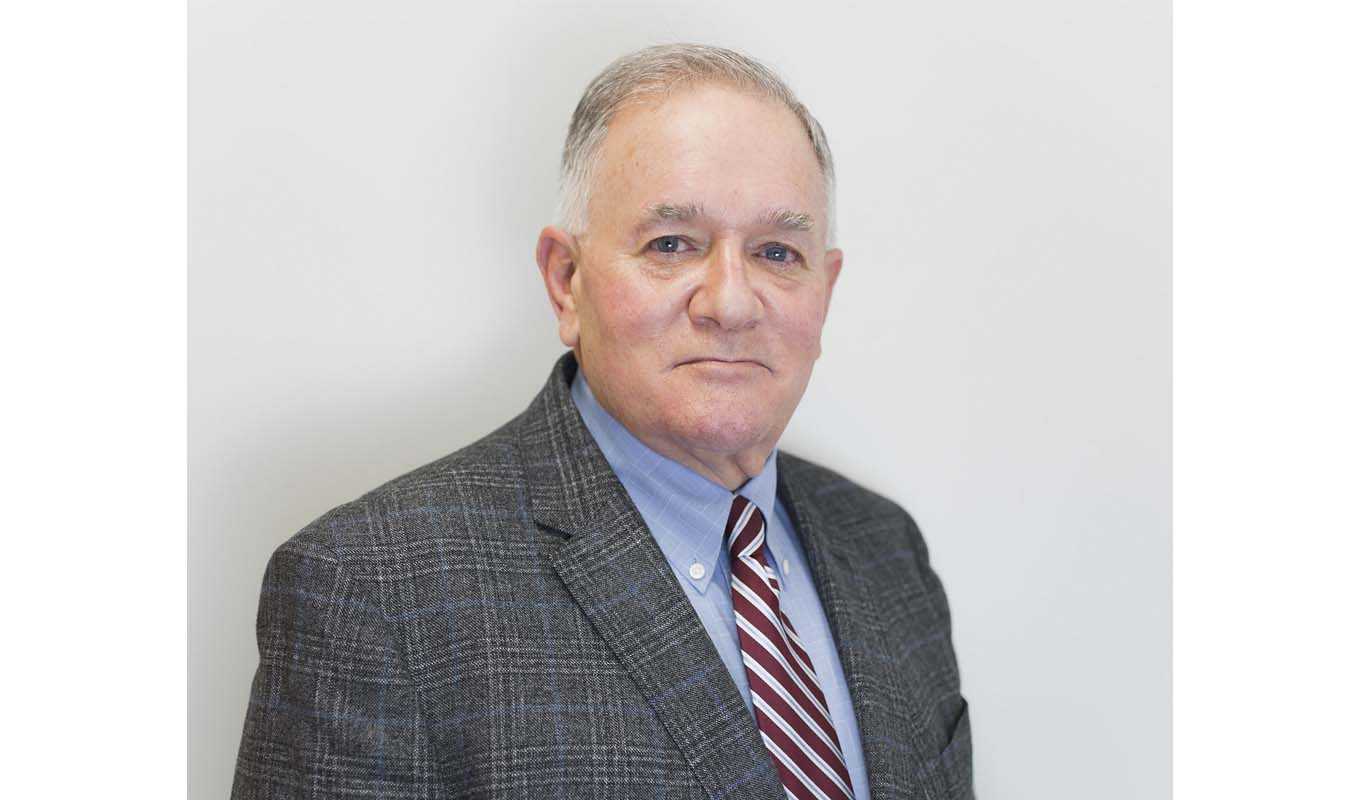
Samaritan Ministries member and longtime newsletter contributor Mark Blocher recently published the book Missional Medicine: Restoring the Soul of Healthcare. Mark is co-founder and president/CEO of Christian Healthcare Centers in Michigan. We recently posed some questions to him as a way to better understand Mark’s approach to redeeming health care.
Why did you write Missional Medicine?
As a Christian bioethicist since the early 1990s, I observed modern medicine becoming increasingly fragmented, expensive, and morally problematic, especially for Christian medical professionals and patients. Abortion has become institutionalized in medical training and practice to the point where, in some organizations, being a pro-life physician can be detrimental to one’s career. Legal provisions to protect the rights of doctors and nurses to decline participation in procedures such as abortion have come under attack. More recently, we have seen a large number of medical professionals pushed out of their positions because they sought a religious exemption to COVID-19 vaccine mandates. In addition to what I perceive to be the moral “paganizing” of medicine, modern medicine prioritizes payments over patients. Medicine is too expensive, and the system that delivers health care is too bureaucratic and impersonal. As a Christian, I see modern medicine as caring too much about my money and caring very little about my Christian beliefs and values. I wrote Missional Medicine to issue a call for the creation of a distinctively Christian health care system.
What are the key things Christians in health care can do to help redeem health care?
First, Christians can, to the extent possible, transfer their care to physicians and organizations that share their Christian beliefs and values. For example, why continue financially supporting and participating in a health system that uses your money to fund things you do not support and works against those values you do support? Samaritan Ministries is a good example of a different way to address health care.
Second, Christian doctors will find in Missional Medicine a workable blueprint to launch a direct primary care practice where they have the freedom to practice medicine as a missional Christian doctor. Now that Christian Healthcare Centers has been in operation for over five years with two offices and a small outpatient surgery center, we have a proven practice template that other doctors can utilize to open more missional medical offices and serve more patients. The silver lining in the COVID pandemic is how it awakened both doctors and patients to the need for a health care system that uses a different delivery model, but that system will fail if patients do not embrace it.
Third, Christians can become more proactive in managing their own health and health care. American medicine is too expensive because Americans expect to live however they please, and if something goes wrong as a result of their lifestyle choices, modern medicine will fix it, and someone else will pay the bill. Christians who read their Bibles should know better. Life itself, and the resources God provides to sustain it, are stewardships entrusted to us by our Creator. My doctor is not responsible to steward my well-being; I am, and sometimes my doctor helps. One of the best ways to reduce health care costs is not to need health care services.
Why is the parable of the Good Samaritan so key to the missional medicine concept?
The significance of this parable for health care can be seen in how many health care organizations have the words “Good Samaritan” or “Samaritan” in their name. The parable expanded on the Old Testament ethic expressed in Leviticus 19:18, “Love your neighbor as yourself.” This ethic obligated the Israelites to care for strangers, widows, and orphans. At its core, the parable expresses the core ethic of health care, which is caring for sick and hurting “strangers.” This was an ethic unheard of in Roman culture, but it was the ethic God used to grow the Church and transform pagan Roman society. It is also the ethic that God can use to transform paganized American health care.
How do you understand the process of “redemption” when it comes to health care? In other words, how will we know when health care has been redeemed?
To redeem something is to restore or “buy back” something that has been either damaged or lost. Biblically, ever since the Fall (Genesis 3), humans enter the world damaged and lost. God has graciously “redeemed” us through the crucifixion, resurrection, and ascension of the Lord Jesus Christ. We have been made new creations in Christ, and God has placed us into His own household as joint heirs with Christ.
Medicine is redemptive in the sense that is “pushes back” against the effects of the Fall, bending what has been damaged by the Fall back closer to its original created goodness. Redemptive medicine not only is modestly reparative, but it highlights that Christ is the Great Physician who heals, and He is the one who redeems. Ultimately, redemptive health care provides patients with a “taste” of what the believer’s full redemption through Christ will be in the New Heaven/New Earth (Revelation 21). A redeemed health care system recognizes Christ as the one who heals, acknowledges His presence in the exam room, seeks His wisdom in providing care for patients, and is humble enough to recognize its limitations.
Modern medicine overall does not do this.
As a Christian, I see modern medicine caring too much about my money and caring very little about my Christian beliefs and values. I wrote 'Missional Medicine' to issue a call for the creation of a distinctively Christian health care system.
Mark Blocher
Can you summarize the role of the local church in missional medicine?
When we reflect on the earthly ministry of Jesus, we find that wherever He went, He taught, and wherever He taught, He healed. Teaching and caring for the sick were hallmarks of His ministry.
The early Church continued this pattern of teaching and healing, first through healing miracles, and later through organized medical ministries. This pattern has been characterized by every generation of Christians since. Wherever the Gospel has gone in the world, medical ministry has been part of it. The Church has always been on the forefront of health care—until now.
The American hospital system was largely built by Christian medical philanthropy, with many U.S. hospitals still bearing church denominational names—Baptist, Lutheran, Methodist, Catholic, Presbyterian, etc.—although the type of medicine practiced in many of these institutions is not missional.
Since the mid-20th century, American churches have largely relegated medical ministry to foreign medical missions and, in the U.S., community clinics were mostly organized to care for the poor.
I am not criticizing these noble ministries. However, why has the Church allowed itself to be marginalized by big-box health care systems? As representatives of the Great Physician, should we not take a more prominent place in the mainstream of health care? After all, Christianity has a lot to say about how to take care of the sick, diseased, and injured. Chapter nine in Missional Medicine lays out a very practical way for local churches to carry out the Biblical mandate to “bear one another’s burdens” (Galatians 6:2).
I find it interesting that most of the prayer requests shared each Sunday in local churches have something to do with people’s medical needs, yet few ever think of how their church can be a place to which they would turn for medical care. Why not? Local churches have the space to house a medical clinic, they are already in a community with medical needs, there are Christian medical professionals who would welcome the opportunity to practice missional medicine, and there are few opportunities for more community impact than health care.
I believe we are living at a time when communities throughout America are ripe for local, church-based missional medicine.
What is the biggest hindrance to putting missional medicine into practice?
Ironically, the biggest hindrance to the practice of missional medicine is believers who have become what I call “medical cynics,” people who do not believe health care can be delivered better than the current system delivers it. They have become addicted to the idea that some form of insurance should pay for their care, even a $2 prescription. The most frequent comment I hear from prospective members at our office is, “This just sounds too good to be true.” That’s medical cynicism.
Over time, as more missional medicine practices open their doors to serve more patients, the cynicism will dissipate.
Another hindrance is government overreach. Christian Healthcare Centers recently filed suit against the state of Michigan in federal court to protect its First Amendment rights to operate as a Christian medical ministry. This litigation is still in process. Basically, Michigan threatens CHC with fines and possibly jail if the organization continues to hire only Christians and if its doctors will not provide things like cross-sex hormones for patients who want to transition from one sex to another.
How does Christian Healthcare Centers carry out missional medicine?
Most important is hiring medical professionals and support staff who wholeheartedly support its mission of providing exceptional medical services to the Body of Christ and the community, guided by Biblical values.
Second is prioritizing the central role of prayer and worship together as a team of medical caregivers and with our patients. Spiritual wellness is foundational to all other forms of wellness. Therefore, integrating spiritual care into everything we do with and for patients is essential. All of our staff are equipped to do that.
Third is focusing on patients, not payments. We devote a lot of time to our patients to build that close doctor-patient trusted relationship. Our appointment times of 30, 60, or 90 minutes help this. We use a membership model for payment rather than insurance contracts. Members pay a small monthly fee to gain unlimited access to all the services we provide, which include all child and adult office and telehealth visits, X-rays, blood draws for labs, many acute care medications, procedures such as EKGs, wart removal, stitches, and more.
We respect medical freedom, which became a significant issue because of COVID-19. We also recently opened a small outpatient procedure and minor surgery center that provides discounted general surgery services such as colonoscopies, endoscopies, lesion repair, small hernia repairs, and orthopedic services such as carpal tunnel release, trigger finger release, fractures, and more.
In addition, CHC maintains a large referral network whereby our members gain access to discounted specialty services. Our vision is to, with God’s enablement and provision, create a comprehensive health care system that is guided by a Biblical worldview. This includes a vision to create birthing centers, outpatient surgery centers, imaging services such as MRIs/CTs, and even inpatient tertiary care.
What role do members of health care sharing ministries play in missional medicine?
We see a lot of health care sharing ministry members in our two offices now. These members already made a significant shift in their thinking about health care by leaving health insurance for health care sharing. Overall, they are among the healthiest patients we see.
Redemptive medicine not only is modestly reparative, but it highlights that Christ is the Great Physician who heals, and He is the one who redeems.
Mark Blocher
Ironically, health care sharing members typically do not join our practice until someone in the family gets sick. I think this is largely due to their being acclimated to the current health care system, which is oriented toward disease management rather than sustaining wellness. Cost certainly is a factor, but when you remove co-pays, deductibles, and other barriers to accessing care, and you focus on creating a system that prioritizes patient convenience—for example, telehealth without additional cost—people come to see the value and savings of belonging to a practice like CHC. One visit to the emergency department for an X-ray and treatment of a broken limb costs more than the annual membership for an entire family at CHC. Furthermore, many health care sharing members do not like to negotiate reduced fees for specialty care, surgery, or imaging. Our members get the benefit of the negotiating we have already done, which not only saves them time but saves the sharing community a lot of money.
What challenges does Christian Health Centers face to maintain missional medicine?
In addition to the pending litigation mentioned earlier, CHC still faces the challenge of scale, that is, we only have two offices in Michigan. Many churches, schools or Christian-owned businesses, would utilize practices like CHC if there were more offices closer to them. CHC would like to have affiliates in every state—perhaps in every community. However, that takes a lot of money and personnel. We are not looking to own a nationwide network of offices, but we are open to partnering with groups who want to bring the CHC model to their community. I believe there is growing awareness and momentum building that could result in fulfillment of this broad, ambitious vision.
To buy a copy of Missional Medicine, send $20 plus $3 for shipping to Mark Blocher, 1579 Spencer Ave., Hudsonville, MI 49426.
More by Mark Blocher:
Missional medicine: Making primary care primary
Missional medicine: Restoring the soul of health care
Technology and the quest for control
Will med school entrance tests be changed to vet the values of future doctors?