
Minerals play a hidden role in your child's health
By Mary Voogt · Feb 23, 2026
When my son was 11 years old, he started to get sick every two to three weeks.
He would get a fever, a headache, and extreme fatigue.
After six months, we acted. We went to our pediatrician, worked with a pediatric infectious disease specialist, and ran a lot of tests. Sadly, it left us with no answers. Everything was “normal.”
So, I ran a hair-tissue mineral analysis, in which I have been trained and have been doing for clients for more than five years. It gave us the answers we were looking for. Some key minerals were very depleted. We used targeted supplements and dietary supports (mineral-rich food), took him to the chiropractor twice weekly for a while, and helped him with nervous system regulation (to get him out of a constant stress response).
Within a month his mysterious sickness was a thing of the past. And, with years of continued intentionality for his nutrition and minerals, it has never come back.
This is just one example of the power of minerals!
Minerals provide power
Minerals are natural elements from rocks, soil, and water that help your body function optimally. If you’ve ever taken a chemistry class and worked with the periodic table of elements, then you’ve studied minerals. They are essential to life, but your body can't make them. You must get minerals from your food and environment, which is why a nutrient-rich diet and time outdoors are so important.
Minerals function like a battery in a car. Without them, your body has no power. A diet full of processed, lifeless foods lack these essential nutrients and leave you low on energy. Getting enough minerals keep your body functioning well.
Minerals provide:
- strong bones
- cellular energy
- muscle growth
- heart health
- brain function (including focus)
- digestion support
- hormone balance and production
- blood sugar regulation
- quality sleep
- a good metabolism
I’d say these are pretty critical for good health!
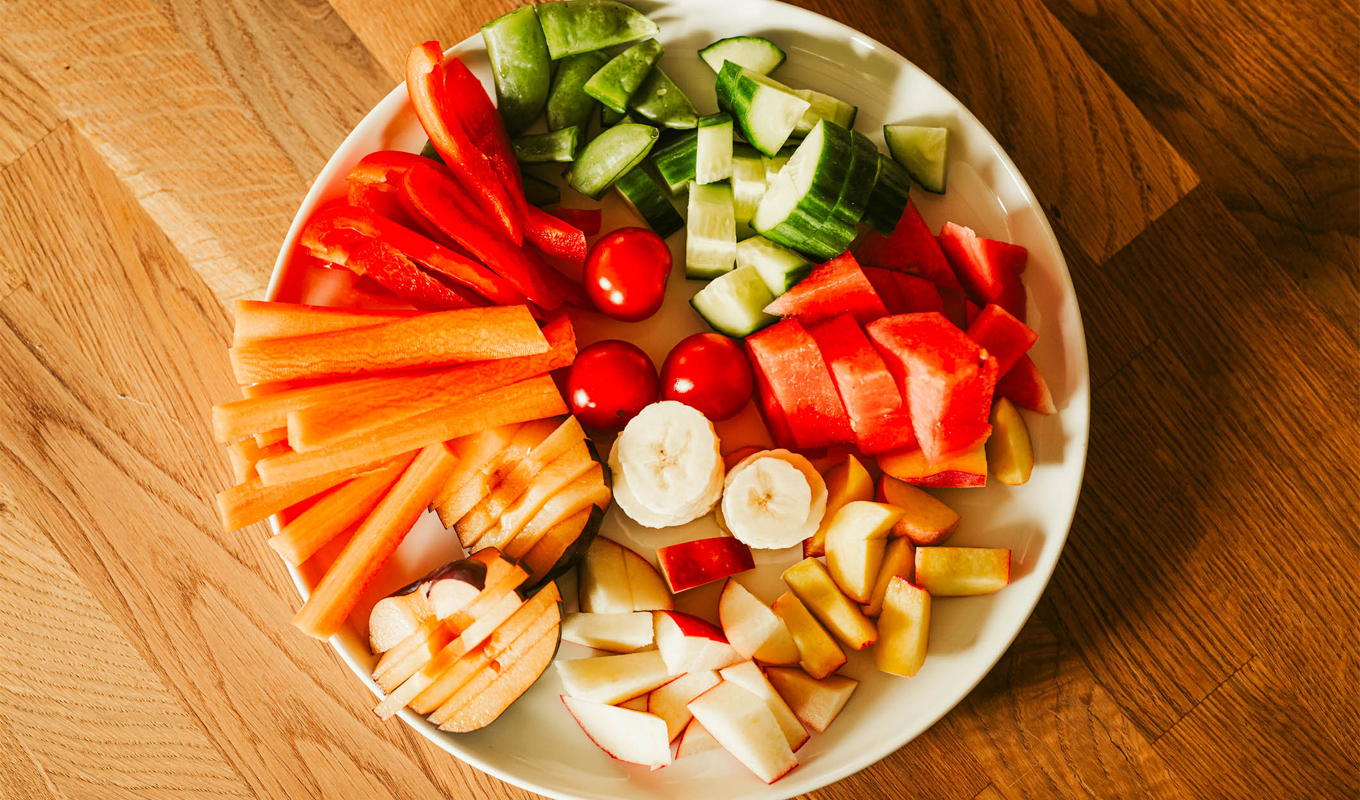
(iStock)
Mineral deficiency is common
Unfortunately, it’s not easy to make sure kids are getting the minerals they need. With depleted soil (fewer minerals in our food supply), toxins (heavy metals displace minerals in the body), over-scheduled lives (stress depletes minerals), and heavily processed foods (with added synthetic minerals that are void of any actual nutrition), kids’ bodies are more deficient of minerals than ever.
Mineral deficiencies can cause a long list of symptoms. A few common ones include:
- lack of focus or hyperfocus
- brain fog
- mood swings
- anger
- anxiety
- fatigue
- dandruff
- eczema
- asthma
- sensory seeking or avoidance
- constipation
- bed wetting
- food sensitivities
- picky eating
- acne
- gluten intolerance
- histamine intolerance
Yes, minerals run the show when it comes to your child’s health! And a deficiency or imbalance can be the root cause of many symptoms.
6 steps to take
But take heart! There are simple steps you can take to make sure your kids are nourished and that their batteries are fully charged.
Here are my top six ways to restore and maintain your child’s minerals.
- Be intentional with nutrition: Focus on serving a variety of real, whole foods that are rich in vitamins and minerals. This includes fruits, vegetables, animal proteins, whole grains, and healthy fats. In a world with so much convenience food, it takes intentionality and time to feed your kids nutrient-dense, mineral-rich food, but it’s worth the effort.
- Grow your own food: Much of the produce in grocery stores is low in minerals. Fruits and vegetables are grown in depleted soil, picked early, shipped long distances, and left to sit for a while. Growing your own produce in healthy soil can go a long way, even if it’s only a few simple foods like lettuce, zucchini, and tomatoes.
- Avoid processed foods: Processed foods have been altered and stripped of nutrients. Sometimes a few synthetic vitamins and minerals are added back, but our bodies can’t use them. Filling up on processed foods leaves little room for mineral-rich foods, so keep processed foods to a minimum.
- Use hair-tissue mineral analysis (HTMA): This is my favorite tool for assessing mineral status. It’s a simple, noninvasive test that works well for kids. When you know which minerals are depleted or out of balance, you can create a plan of action. There is no guess work. HTMA is especially great when you are looking for the root cause of specific symptoms. Note that it is essential to work with a trained practitioner for HTMA. I work virtually with children or whole families anywhere in the U.S. Adult HTMA practitioners include Jensen at Test Don’t Guess, and Amber MacDonald at Empowered Digestive Health.
- Supplement when necessary (based on testing, as needed): Every child has different needs, and those needs can change over time. Sometimes supplementation is a great tool to boost key minerals. It’s important not to supplement blindly. Work with a practitioner to get recommendations based on testing.
- Keep stress and busyness to a minimum: Sadly, we live in a high-stress culture. From schoolwork to sports to music to youth group, the busyness never ends. Social media, constant news, and technology create even more stress. It’s important to note that stress depletes minerals … quickly. Anything you can do to simplify your child’s schedule and remove unnecessary stressors will go a long way in maintaining mineral status.
Minerals help to support and run just about every process in the human body. And our bodies can’t make them, which is why it’s so important to make sure your kids are eating nourishing, mineral-rich foods daily.
Use the six steps above to help your child be powered with minerals and running with a fully charged battery. Our son is living proof that small adjustments in mineral intake can make a big difference in overall health.
The information provided in this article is for educational purposes and is not meant as medical advice. It is the opinion of the writer and is not meant to replace a one-on-one relationship with a qualified health professional.
Samaritan Ministries does not endorse, approve, recommend, or guarantee any vendor, product, service, or organization mentioned in this article. All vendor references are provided solely for informational purposes, and readers should independently evaluate the suitability of any vendor for their needs.