Iron is a small but mighty nutrient
By Anna Moore · Jul 17, 2025
You might not give much thought to your iron intake until your doctor tells you that you’re low on it. But that’s not exactly the best approach if you want to feel your best.
In the grand scheme of all nutrients needed from day to day, iron is small but mighty. It’s a silent driver of energy and vitality. Without it, or without the right amount of it, a chain reaction of side effects could happen, causing larger issues.
Role in the body
Iron is a trace mineral that plays an important role in the body. It fuels our bodies, energizing our brains, blood, and muscles. We feel sluggish and weak without appropriate amounts of it.
Iron is essential for hemoglobin production to carry oxygen. The Cleveland Clinic says iron helps your body produce hemoglobin, which is a protein in your red blood cells. Hemoglobin carries oxygen from your lungs to the rest of your body, the site says. Iron also helps create the protein myoglobin, which provides oxygen to your muscles.
Iron is also important for brain health, since it helps supply oxygen to your brain.
“Oxygen is a catalyst that helps your brain do things like build nerves, make and break down chemicals that allow your nerves to communicate, and keep your brain working in tiptop shape.”
Besides oxygen transport and maintaining energy production, sufficient amounts of iron are important for unborn babies’ development while in the womb and for boosting your own immune system.
Daily iron requirements
Here’s a snapshot from the National Institutes of Health of the recommended daily iron intake in milligrams by age:
- Birth to 6 months: 0.27 mg
- 7 to 12 months: 11 mg
- 1 to 3 years: 7 mg
- 4 to 8 years: 10 mg
- 9 to 13 years: 8 mg
- 14 to 18 years: 11 mg for males; 15 mg for females (27 mg if pregnant, 10 mg if lactating)
- 19 to 50 years: 8 mg for males; 18 mg for females (27 mg if pregnant, 9 mg if lactating)
- 51 years and older: 8 mg
Not enough iron
Everything feels harder when your iron levels drop. Daily tasks like walking up stairs, staying focused at work, or even powering through the day become challenging.
Not having enough iron means our red blood cells can’t transport oxygen well, and we need oxygen for energy. The domino effect that could take place when not having enough iron is too little hemoglobin and myoglobin and therefore too little oxygen coursing through your body. Too little oxygen could spell trouble.
Not having enough iron also means brain cells, too, aren’t getting oxygen-rich blood. This affects the ability to focus and to keep your brain functioning well.
Your lack of energy from low iron also impacts how your immune system handles infections and germs, which could lead to illnesses.
The World Health Organization recognizes iron deficiency anemia as “the most common nutritional deficiency in the world, with 30% of the population being affected with this condition.”
The Mayo Clinic’s signs of iron deficiency include extreme fatigue, weakness, pale skin, chest pain, fast heartbeat or shortness of breath, headache and dizziness or lightheadedness, cold hands and feet, inflammation or soreness of your tongue, brittle nails, unusual cravings for nonnutritive substances such as ice or dirt, and poor appetite.
Too much iron
On the flip side, high levels of iron can be toxic.
Healthline says iron toxicity may occur when people overdose on iron supplements, take high-dose supplements for too long, or suffer from a chronic iron overload disorder.
There is a disorder for absorbing too much iron—hemochromatosis. This is where excess iron is stored in the organs like the liver, heart, and pancreas. Too much iron could therefore lead to serious problems like liver disease, heart conditions, and diabetes.
The most common type of this disorder is hereditary, and the symptoms appear usually after age 40 in men and after 60 in women.
Symptoms of hemochromatosis include memory fog, joint pain, belly pain, fatigue, weakness, loss of sex drive, impotence, and bronze or gray skin color.
If you are prone to iron overload, Healthline suggests reducing intake of iron-rich foods, donating blood regularly, avoiding taking vitamin C with foods rich in iron, and avoiding using iron cookware.
It never hurts to learn about your family’s health history and always consult with your doctor before adding an iron supplement to your routine.
Where to get iron
Since iron is an important element of our diets and our own bodies don’t make it on their own, we should consume foods with iron. Graciously, many foods are fortified with it.
Heme iron comes from animal sources and nonheme iron comes from plant sources. The difference is that heme iron food sources also contain vitamin C, which helps the iron to be absorbed more easily.
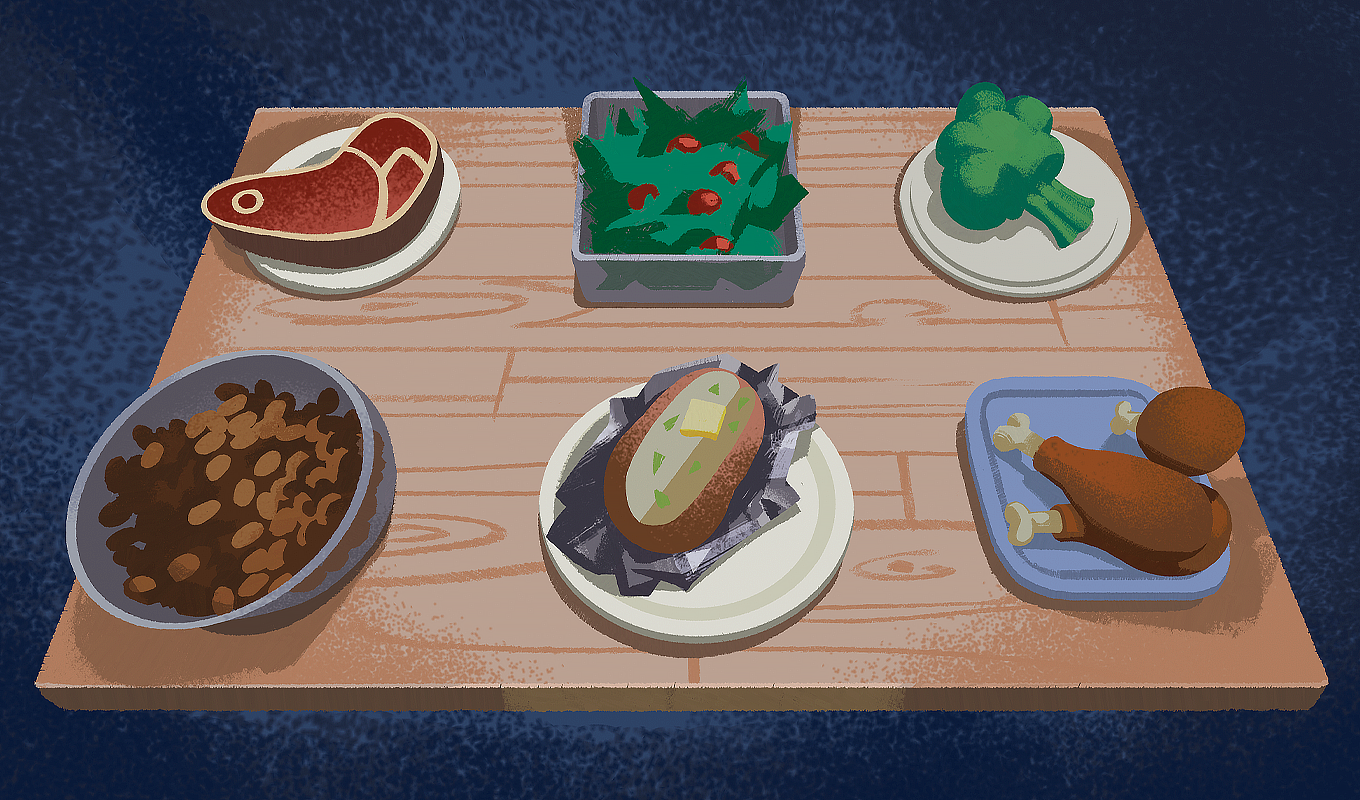
Heme iron food sources include beef, poultry, canned light tuna, canned sardines, organ meats, beef or chicken liver, mussels, clams, and oysters.
Nonheme iron food sources include beans, potatoes with skin, nuts, seeds, enriched rice or bread, spinach, lentils, and fortified breakfast cereals. It wouldn’t be a bad idea to add a source of vitamin C when eating nonheme iron foods so that it absorbs better.
“Think of vitamin C as a buddy that helps your body properly use the iron available in your plant foods,” Cleveland Clinic says.
Iron and pregnant women
Iron deficiency in pregnant women is more common than we may realize. The National Library of Medicine considers it a global epidemic, saying it affects up to 52% of pregnant women, including those in developing countries.
If a mother doesn’t get enough iron during pregnancy, her baby or babies could be at risk of premature birth, slow development, or low birth weight.
A mother herself could have difficulties with breathing, fainting, tiredness, palpitations, and sleep issues. There could also be risk of developing perinatal infection, preeclampsia, and bleeding.
To ensure they get the recommended 27 mg per day, pregnant women should add iron-rich foods to their diet and consult their doctor. Many prenatal vitamins contain around the 27 mg daily amount.
While not a lot of iron is needed each day, we should remember its role in keeping oxygen flowing through our bodies so we can feel our best for ourselves and others.