Hose down dehydration!
By Shana Luibrand · May 31, 2025
You are basking outside in the sunshine, or maybe walking the dog, working in the garden, or simply taking a moment to relax and read a book.
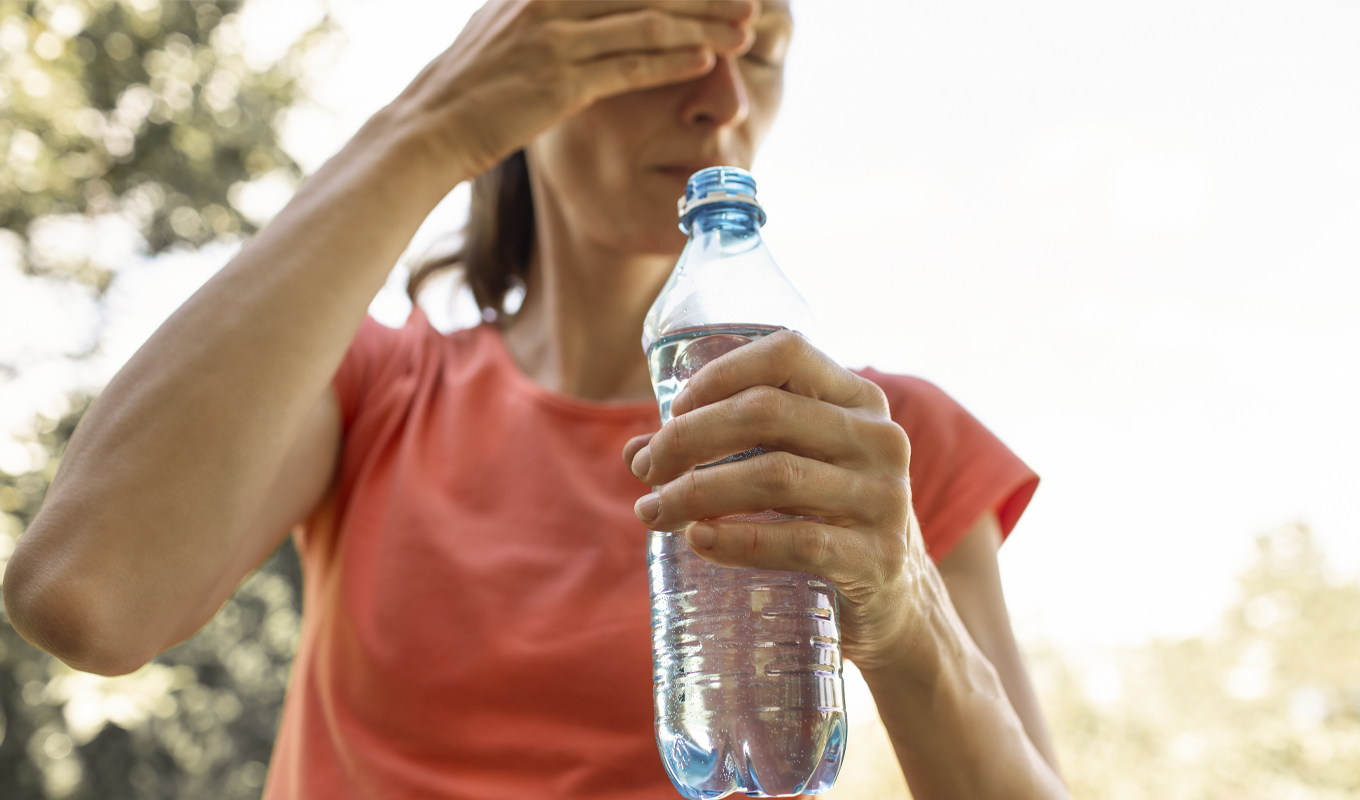
Then it hits you: the dry mouth, fatigue, headache, or dizziness.
You are dehydrated and your body is telling you to reach for that glass of icy H2O.
Dehydration occurs when we are not drinking enough water to replace the fluids we have lost. Many of us understand that drinking water is important, but do you know how vital it is to your overall health? Our bodies consist of around 60% water. Every cell and organ needs enough water to function properly.
Let’s look at six ways the human body needs water.
- Joints use water to cushion and reduce friction. Joints are made up of four basic features: bones, ligaments, cartilage, and synovial fluid. Cartilage, which is made up of 70% to 80% water, cushions your bones. Synovial fluid, which could be described as nature’s lubricating oil, helps with smooth movement and friction reduction. Dehydration results in less fluids and can potentially lead to joint pain and damage.
- Our digestive system requires water from top to bottom. Saliva helps to begin breaking down food so we can swallow it, and water in our gastrointestinal tract continues the process of aiding in the breakdown of food, further allowing us to absorb nutrients. And, finally, adequate hydration plays a key role in preventing constipation.
- Blood, which is 90% water, transports oxygen and nutrients throughout the body. Dehydration decreases the volume of blood in your body. Your heart must then work harder to keep up with the demand for oxygen and nutrients.
- The brain is 85 percent water. Chronic dehydration can cause it to shrink. Water gives our brain the energy to think and reason. Neurological effects of dehydration include brain fog, issues with sleep, difficulty focusing, and, potentially, depression.
- Kidneys require adequate hydration to both filter out toxins in our blood and receive the nutrients needed. Staying hydrated is an effective way to prevent kidney stones and urinary tract infections.
- Skin, our largest organ, reaps the benefits of adequate hydration as well. Water may be the world’s best-kept beauty secret. Drinking enough water helps your skin to stay plump and well-hydrated. Hydration is shown to be one of the best ways to prevent aging in your skin.
Understanding the effects of dehydration can be sobering, especially considering that the six areas listed above are merely a drop in the bucket when it comes to the effects of dehydration on the body.
Now, let’s get practical!
Signs of dehydration
Some easy-to-spot symptoms of dehydration include feeling tired, weak, or dizzy; having a headache; and having dry mouth. You can also take a quick peek at the color of your urine. If you are not drinking enough water, it will be a dark yellow color, as opposed to the pale, clear, light yellow color that indicates good hydration. Keep in mind that some medications can change the color of urine. These symptoms are your body’s way of saying, “Help, I need some water!”
How much water should I drink?
A good rule of thumb is to drink between half an ounce and an ounce of water for each pound you weigh every day. For example, if you weigh 160 pounds, you would drink 80 ounces of water for non-strenuous activities and add more water if you were to go for a jog or hike or any other activity.
Can I drink too much water?
Healthy, well-nourished adults rarely drink too much water. Overhydration dilutes the amount of sodium in your blood and results in water intoxication or hyponatremia. This can be life-threatening. The amount of water required to achieve water intoxication is estimated to be between 2 and 4 liters within a very short time frame.
What are some strategies?
Here are some simple ways to encourage yourself to drink enough water.
- Respond to the feeling of thirst.
- Carry a reusable water bottle when you are away from home.
- Premeasure how much water you need to drink in a day.
- Drink with a straw.
- Drink a glass of water every time you drink coffee and consider ditching sugary drinks. The latter can cause you to lose water.
- Hate plain water? Add lemon and lime or eat your water in the form of fruit or vegetables such as watermelon and cucumbers.
- Set timers as reminders to drink water or use a water-tracking app to help keep on track to reach your water goals.
Dehydration is preventable. So, grab a bottle, download an app, and do your body the favor of making hydration a priority.
Disclaimer: This article contains educational information for generally healthy individuals with mild or mild chronic dehydration but is in no way medical advice. Seek advice from your own medical provider. If you have moderate to severe or acute dehydration, please seek medical attention to resolve your condition safely.