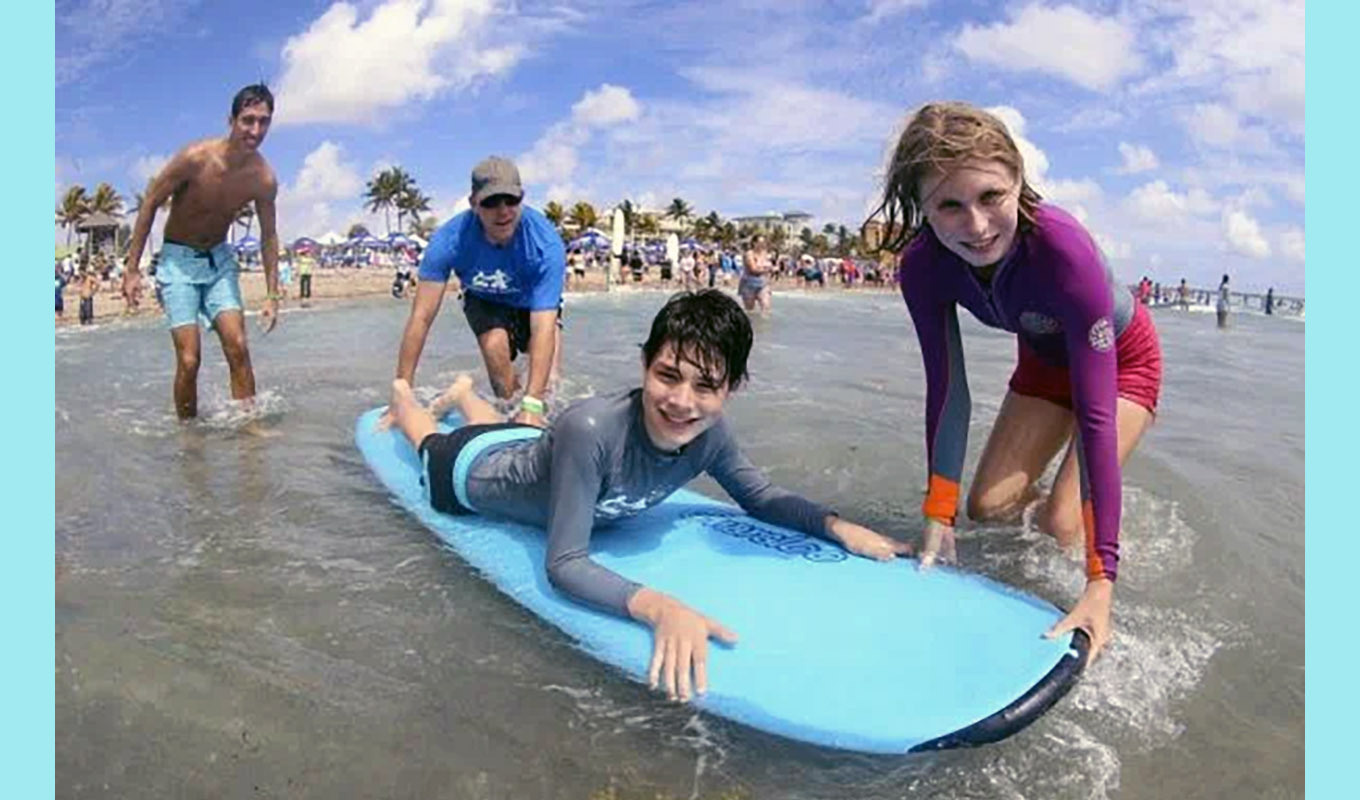
People with autism and their families can be encouraged and helped, whether in the surf or at a church. (Ben Hicks/BenJHicks.com)
Families with children with autism benefit from community, church help
By Michael Miller · Jun 15, 2026
Belonging to community is important for families with children diagnosed with autism, say two Christians who have worked extensively in the field, but sometimes it’s difficult because of a child’s specific needs.
That’s true in the community in general and at church in particular.
Jameson Healy of Autistic Faith and journalist Cash Lambert have taken different approaches to helping people who have autism, but both are also geared toward supporting families.
How congregations can help
“I know families [with children with autism] that cannot attend church because there are not appropriate accommodations,” said Jameson, founder and executive director of the training service.
Some of those challenges include loud services, leading to sensory overload, and long sermons.
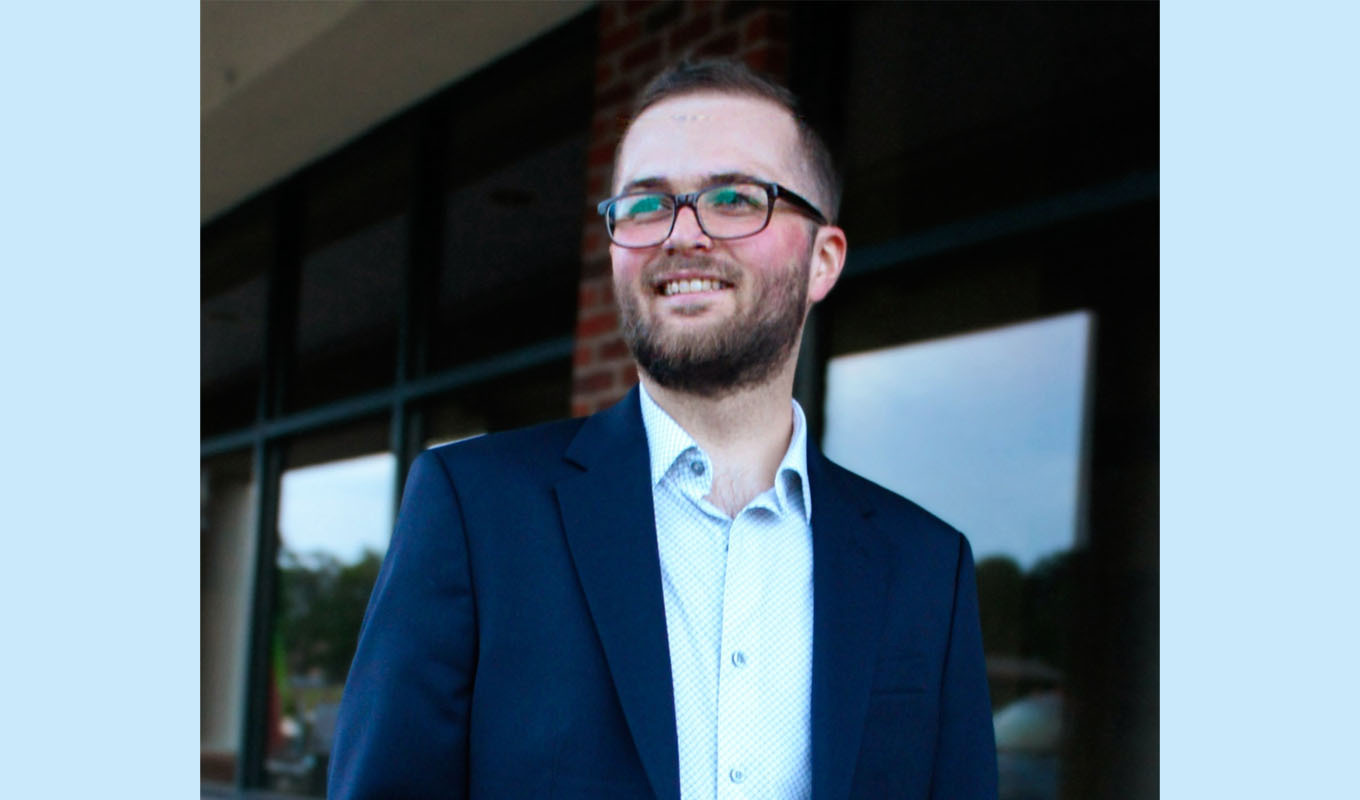
Jameson Healy leads Autistic Faith, helping churches to accommodate families with children with autism. (Supplied photo)
“Pretend you have a gnarly migraine, and all you want to be is in a dark room. No sounds, no lights. Then walk into a church,” Jameson said. “That’s what sensory overload feels like.”
Another challenge is for people with autism to have no choice but to sit through sermons.
“A 30- to 60-minute sermon that is primarily verbal … we’ll be lucky if we’re paying attention for the first two minutes,” Jameson said.
First-hand experience
Jameson himself is a person with autism and knows first-hand the difficulties that people like him face in many churches. Autistic Faith offers training on how churches can help families with children who are autistic be able to be part of a faith community more easily and be ministered to.
He defines autism as a neurodevelopmental disorder, a difference in brain wiring that affects nonverbal communication, intuitive social processing, sensory responses, and motor skills.
One of Jameson’s greatest fears is over people with autism leaving the faith due to lack of accommodation and understanding of autism.
“We haven’t had proper support and accommodations in place,” he said.
Getting those accommodations in place can help people with autism and their families become rooted in congregations, though.
Surf boards, salt water, and shared healing
While Healy focuses on making existing Christian communities more accessible, Samaritan Ministries member Cash Lambert has found community for people with autism and their families in an entirely different setting.
Cash, author of two books on surf therapy for people with autism and other challenges, said he sees the activity bring families together as they share in the joy of their children experiencing a fun and therapeutic ride on surf boards. Cash has written Waves of Healing: How Surfing Changes the Lives of Children with Autism and Surf Therapy: The Evidence-Based Science for Mental, Physical and Emotional Well-Being.
The idea of surf therapy is helping young people with autism every step of the way through the process of getting into the water, getting the confidence to stand on a board, and riding the board to shore.
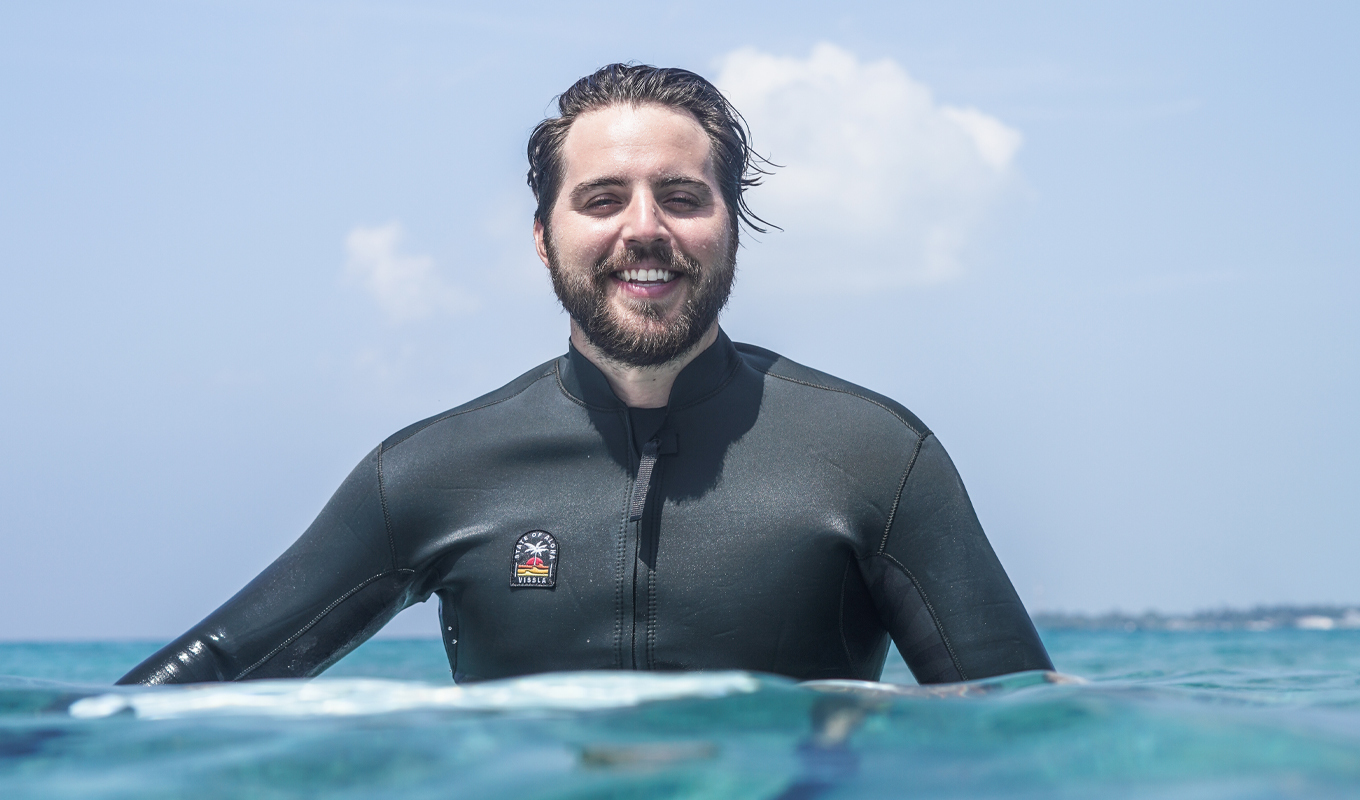
Cash Lambert has written extensively about how young people with autism can be helped by surf therapy. (Cash Lambert)
The experience changes not only the participants, but also the volunteers, Cash said.
“I went to the beach expecting to do some volunteer hours and maybe write an article, and I experienced something that was absolutely life-changing,” he said. “I heard children who had non-verbal autism say their first words after surfing. I saw mothers crying and fathers taking pictures.”
One parent told him, “I never had people who knew exactly what I was dealing with until I came to one of these events. This became my therapy group.”
Communities that encourage the whole family
The experiences of Jameson and Cash emphasize the need for community support, whether that be acknowledgement that some families may have special situations at church or the encouragement they experience during therapy sessions.
Once a congregation understands that a person with autism is in its midst, Jameson said, it can take steps to address it by talking to the family about what might help.
How churches can help
To show support for families, churches can offer:
- A quiet room. “It doesn’t have to be big or fancy, just a place to retreat during sensory overload,” Jameson said.
- One-on-one volunteers, or a “buddy system.” Such people are able to take a person with autism aside and interact with them while a family enjoys a sermon or service.
- Acknowledgment. “Just having something in your bulletin or on your website helps people know they are welcomed,” Jameson said.
- Training. Staff and volunteers can learn about autism and accommodation.
Other families can offer support in a few simple ways as well, Jameson said. They can:
- Avoid misinterpreting differences in behavior in people with autism by learning more about those behaviors. “I tend to have pretty bad eye contact,” Jameson said. “Others will see that as disrespectful.”
- Understand that people with autism are already highly aware of their differences. “Don’t look on them with frustration,” he said.
- Approach interactions with patience, grace, and understanding. “That is your ultimate guide,” he said.
How being intentional helps
Cash has seen the success of community support for families in action. He first started helping with surf therapy as a student performing community service while attending Palm Beach Atlantic University in Palm Beach, Florida.
He said that surf therapy is a vehicle for “delivering intentional, inclusive population-specific and evidence-based therapeutic structures to promote psychological, physical, and psychosocial well-being.”
He got hooked on the process after seeing the joy expressed by both children and families when the children would, in a very controlled environment, learn how to stand and surf.
“A lot of parents came to me and said, ‘Cash, I never had a community. I never had people who knew exactly what I was dealing with related to my child’s struggles with autism until I came to one of these events,’” Cash said. “The young adults, they would then make friends. So it was like one big community that was born of surfing and salt water and the beach.”
Cash decided to write a book about it, then followed it up with a book about how surfing therapy helps with people going through a variety of recovery situations including addictions, abuse, and post-traumatic stress disorder.
Surfing is no longer restricted to ocean beaches, either. Cash said that inland surf pools are becoming more common throughout the United States and other countries and surf therapy groups are growing.
The ultimate guide
Jameson fears that a lack of accommodation for church members with autism may end up driving them away not just from the congregation but from the faith in general.
He knows, because he left the Church for a while.
“I went to church for a decade and I ended up leaving the faith,” he said. “One guy was studying to be a pastor and left the faith because of a lack of inclusion [of people with autism]. It’s very real.”
Jameson’s solution, with help that he offers through his website, is for church members to “pursue love in all your interactions.”
“That is the ultimate guide,” he said. “Befriend someone with autism, and they will be your friend for life.”