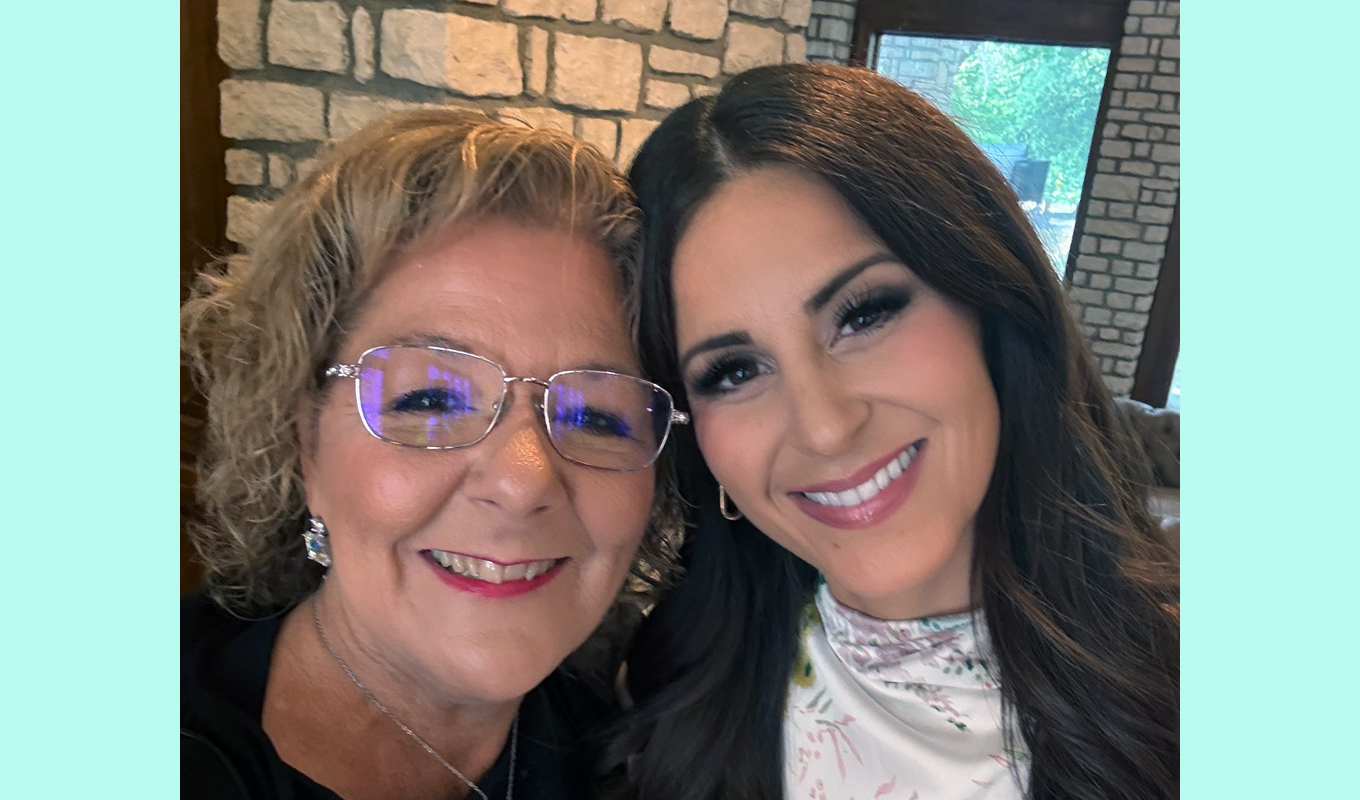
Member Spotlight: Carole Novielli of Live Action
By Anna Moore · Jan 09, 2026
Why SMI? Carole Novielli says it's an investment in a person
Carole Novielli doesn’t just work for Live Action—she lives it, breathes it, and has sacrificed deeply for it. For four decades, she has diligently pursued justice and compassion for unborn babies.
While her work as a research fellow for the human rights nonprofit continues at full speed, she’s learning to enjoy life while fighting for it.
“I've been kind of buried in this topic for so long, ever since I was a teen, and it can really weigh you down,” she said. “And I'm like, why be pro-life if you're not willing to live life?”
Exposing the dangers
From her Texas home, Carole does research for specific Live Action projects, assists staff with research questions, and writes for Live Action News.
“I also dig deep in opposition research,” she said. “That includes investigating the abortion industry’s financiers, strategies, and hidden agendas.”
Since the overturning of Roe v. Wade in 2022, much of her focus has shifted to the abortion pill—“its many dangers, funders, conflicts of interest, and how the media just covers things up.”
“The majority of abortions right now are done through this chemical abortion pill, and it’s really tragic,” she said.
A possible FDA review of the drug keeps her invested in this work. She also continues to investigate Planned Parenthood, especially efforts to defund it.
Her commitment to uncovering the truth has led her into some of the darkest corners of the abortion industry.
Uncovering darkness
Before joining Live Action in 2016, Carole spent nearly a decade working for the national pro-life organization Life Dynamics. There, she contributed research to Maafa 21, a detailed 2009 documentary tracing racism and eugenics from the 1800s to the founding of Planned Parenthood.
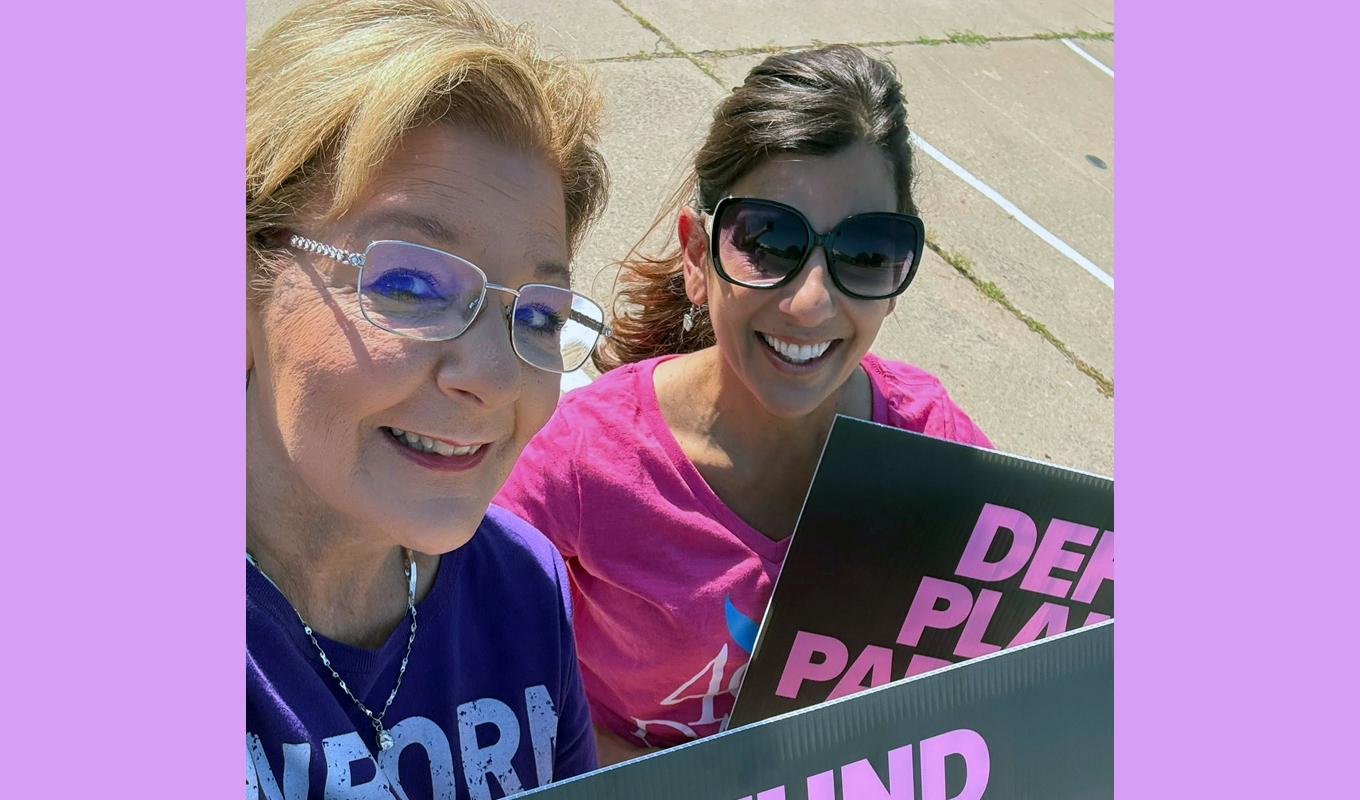
Carole Novielli of Live Action on a pro-life witness line with another pro-lifer. (Supplied photo)
“That documentary made a huge impact with people of color and the African-American community,” she said. “It’s a big, powerful tool that the pro-life movement used. I also did a lot of research on Planned Parenthood’s cover-up of child sex abuse.”
Carole has gone undercover to investigate the industry firsthand. In one instance, she discovered the broken bodies of unborn babies (warning: graphic imagery at link) in a trash bin outside an abortion clinic. In another, she uncovered cases where teenagers—brought in by adult sex offenders—had abortions without any reports being filed. Some of those teens had been abducted and returned to their abusers after the abortions.
Her research helped with a project called Aiding Abusers in her early days at Live Action.
Ministering to women
Carole’s journey began as a teenager in New Hampshire, where her church was burdened for the unborn and mothers. The congregation prayed for a pregnancy center to be established in their town, which already had an abortion clinic. Eventually, a couple from Carole’s home group founded one.
Before the center opened, Carole began visiting the local abortion clinic and learned what the industry was about and how to minister to women.
“I worked down the street from the clinic, so I’d go on my lunch hours,” she said. “Once we got pretty good at identifying women going in, we’d talk to them. We tried to be there on pregnancy test days and abortion days, and we would just witness a lot.”
Through sidewalk counseling, campus debates, and peaceful protests, Carole learned to trust in the Holy Spirit. She said she would talk to women, give them analogies to help them understand something, and they would respond by saying, “You just told my life.”
“A lot of people say, ‘Oh, you’re so brave,’ but you don’t really get the courage until you start to get out of the boat,” she said. “You have to take that first step.”
Carole Novielli
“A lot of people say, ‘Oh, you’re so brave,’ but you don’t really get the courage until you start to get out of the boat,” she said. “You have to take that first step.”
Embracing the joys
Carole has advocated for the unborn for more than four decades. Her work has been cited in books, articles, and court cases—even in the U.S. Supreme Court.
“I have just been absorbed in this,” she said. “Never having had children, I look at these babies as my own, in a sense.”
In her free time, Carole has taken up dancing—mainly salsa and the two-step. She’s “trying new things outside of her comfort zone.”
“It’s time to live life a little bit better and embrace some of the joys,” she said. “There’s a lot of negativity out there, and that still gets me, but I’m getting to where I don't care who laughs at me.”
Fighting for life
Carole has faced opposition in many forms and still wrestles with discouragement, especially as it seems more lives are being lost to abortion now than before the 2022 ruling, she said.
“To not cry over these babies and over the state of our country—for me, it’s impossible,” she said. “I believe it’s important to have a covering as best you can. You need people in your life who will pray for you. Like the infirmary, which is just as important as the infantry. You can’t keep the battle going if you don’t have people who are supportive, praying, and there to bind up your wounds and help heal your heart.”
She encourages believers to be bold, to sow into the future of the next generation, and to remain faithful—even when the outcome is unseen.
“Consider how long it took for the United States to abolish slavery,” she said. “Abolitionists, like many of us, also grew weary, and some even gave up and walked away from the cause.”
Carole draws inspiration from Nathaniel Paul, a black minister who delivered an address in 1827 in New York—36 years before the Emancipation Proclamation.
“He referred to slavery as a ‘hateful monster,’ ‘the scourge of Heaven,’ and ‘curse of earth,’” she said. “He called the progress of emancipation as ‘slow’ but ‘nevertheless certain,’ and he was confident slavery would be abolished.”
Sadly, Paul died a pauper in 1839 in Albany, New York, never seeing the victory he believed in.
“He did not live to see victory,” she said. “Still, he stood up.”
Carole may never see the full fruit of her labor, but like Nathaniel Paul, she stands firm—believing that truth, compassion, and perseverance will one day prevail.