
Breaking down the labels: What do the call-outs on food packaging mean?
By Anna Moore · Jan 10, 2026
Part 1 of 2.
Food producers are using more call-out labels to try to influence shoppers.
Labels like “USDA Organic,” “Non-GMO,” “plant-based,” and others sound good on the surface, but what do the labels mean since so many products have them? Are they just marketing ploys?
In this two-part series, we look at some common food labels and what they mean.
‘USDA Organic’
Food products bearing the green-and-white “USDA Organic” label have been approved by a USDA-accredited certifying agent and follow all USDA organic regulations. The federal government administers this certification. Regulations are outlined by the Rodale Institute.
The USDA says products with the label must be produced “using agricultural production practices that foster resource cycling, promote ecological balance, maintain and improve soil and water quality, minimize the use of synthetic materials, and conserve biodiversity.”
All of this means farmers should use methods that focus on healthy soil, healthy environment, and healthy ecosystem. To reach these goals, they can use methods like composting, rotating crops, planting cover crops, growing trees with crops, using less tilling, saving water and keeping it clean, and using fewer man-made materials.
By minimizing the use of synthetic materials, food producers use alternative methods of farming that are less harmful to the environment. This is done by avoiding synthetic fertilizers, herbicides, chemicals, and pesticides, instead using natural methods for pest control, weed management, and fertility.
All these methods promote healthy soil, environments, and ecosystems. Healthy soil allows for more nutrient-dense foods for us, the consumers.
USDA Organic products must be grown or made without prohibited methods, such as genetic engineering, ionizing radiation, and use of sewage sludge. Foods with this label will automatically be non-GMO (non-genetically modified organism). For animal products like dairy, chicken, and beef, the USDA organic label would imply the animal that product came from consumed organic, non-GMO feed during its life.
The products must be produced or handled using ingredients allowed by the National Organic Program.
'Non-GMO Project Verified'
While “USDA Organic” means the products are automatically non-GMO, the “Non-GMO Project Verified” products are not automatically organic.
The Non-GMO Project website defines GMOs as plants, animals, or microorganisms that have been subjected to biotechnology.
“GMO developers use biotechnology to alter an organism's fundamental characteristics. Biotechnology includes techniques such as using synthetic genetic sequences to change the organism's genetic material (i.e., DNA or RNA), or forcing the combination of very unrelated organisms that would not normally reproduce in nature,” the website says.
Some of the most common GMO plants are corn, soybeans, cotton, wheat, sugar, and canola. Food products with the “Non-GMO Project Verified” butterfly label have met the requirements of the Non-GMO Project Standard. The verified products have eliminated any raw materials, ingredients, or resources derived from GMOs from their supply chains. Examples of raw materials would be grains, fruits, vegetables, meat, or dairy products. Ingredients could be spices, additives, flavorings, or preservatives. Resources could be water, energy, or labor.
To view the full rules and procedures, you’ll have to do some searching on their website.
Corn, wheat, sugar, soy, or potato products are frequently GMO crops. When these crops (or products containing them) do not have the Non-GMO label, the producer has either not paid for the verification, or the product has been genetically modified, so steer clear if you are avoiding GMOs.
If you are unsure whether your food contains GMO ingredients, look for something along the lines of “contains a bioengineered food ingredient” in the small print under or near the nutrition label.

‘Certified Humane’
The blue-and-green “Certified Humane” labels indicate the product came from operations that meet the “precise and objective standards for farm animal treatment.” The Certified Humane nonprofit certification organization aims to “improve the lives of farm animals in food production from birth through slaughter.”
Many animals on factory farms are raised in confined environments with little or no opportunity to engage in natural environments and behavior. The result can often lead to illness for the animals, causing farmers to rely on antibiotics in the animal’s diets. Hormones are also used to try to increase animal growth and production.
The Certified Humane label is meant to assure consumers that the animals were raised with “nutritious diets without antibiotics or hormones, and also raised with shelter, resting areas, sufficient space and the ability to engage in natural behaviors.”
“Animals are never kept in cages, crates, or tie stalls. Animals must be free to do what comes naturally. For example, chickens must be able to flap their wings and dust bathe, and pigs must have space to move around and root. Animals must be fed a diet of quality feed, without antibiotics or growth hormones,” the organization says.
The program’s standards are available for dairy cattle, beef cattle, ducks, and other animals.
While there aren’t official labels for pasture-raised, cage free, and free-range eggs, those terms are common marketing language used on cartons.
An article cited on Certified Humane’s website defines “pasture-raised” as eggs from hens that were “given at least 108 square-feet each and consume some feed and a lot of grass, bugs, worms and anything else they find in the dirt. They tend to be let out of the barns early in the morning and called back in before nightfall.”
“Cage free” refers to eggs from hens that have more room than caged hens, though they are still confined to barns and consume a corn or soy diet.
Lastly, “free-range” eggs come from hens that are “allotted less than 2 square feet and have more space than the caged and cage-free hens,” but some seldom get outdoors, and many eat a corn- or soy-based diet.
So, eggs bearing the “Certified Humane” seal implies they came from hens that were allowed to roam freely on the pasture during daylight.
“They can forage, run, perch, bathe and socialize as much or as little as they choose,” the organization’s site says. “The farms give the hens tents for shade, water coolers and, in some cases, trees where they love to hang out.”
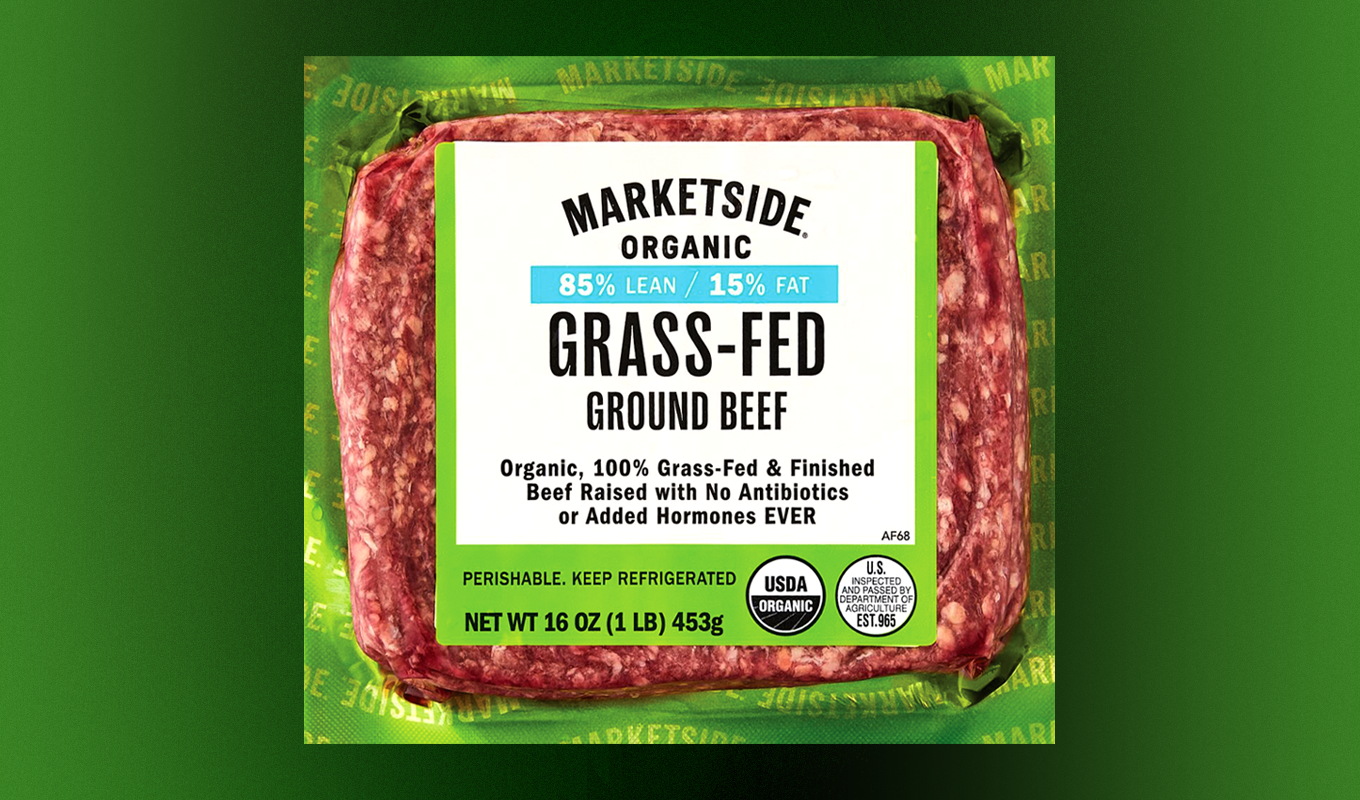
‘Grass Fed’
The USDA’s Agricultural Marketing Service’s program certifying grass-fed food products was discontinued in 2016. Now the term is largely used for marketing, and farmers and food producers can create their own standards for it.
The USDA does, however, certify grass fed for what it considers “small and very small producers,” so larger farms and producers would not qualify.
“Grass fed” labeling on beef products generally means the cattle ate a grass- and forage-only diet rather than a grain or grain byproduct diet. What’s uncertain is when and for how long those animals were on the grass- and forage-only diet. If the food label says “100% grass fed” or “grass-fed and grass finished,” it means the animals ate only a grass-and-fodder diet and not a grain diet at any point.
The USDA’s program requires a grass-fed diet from when the animal is weaned until slaughter. It also requires the animals to have continuous access to pasture during the growing season.
In Part 2 we will share what “Certified Gluten Free,” “100% Whole Grain,” “Glyphosate Residue Free,” “Marine Stewardship Council,” and “American Heart Association Certified” labels mean.