(iStock)
Asparagus is loaded with vitamins, other benefits
By Anna Moore · Jun 08, 2026
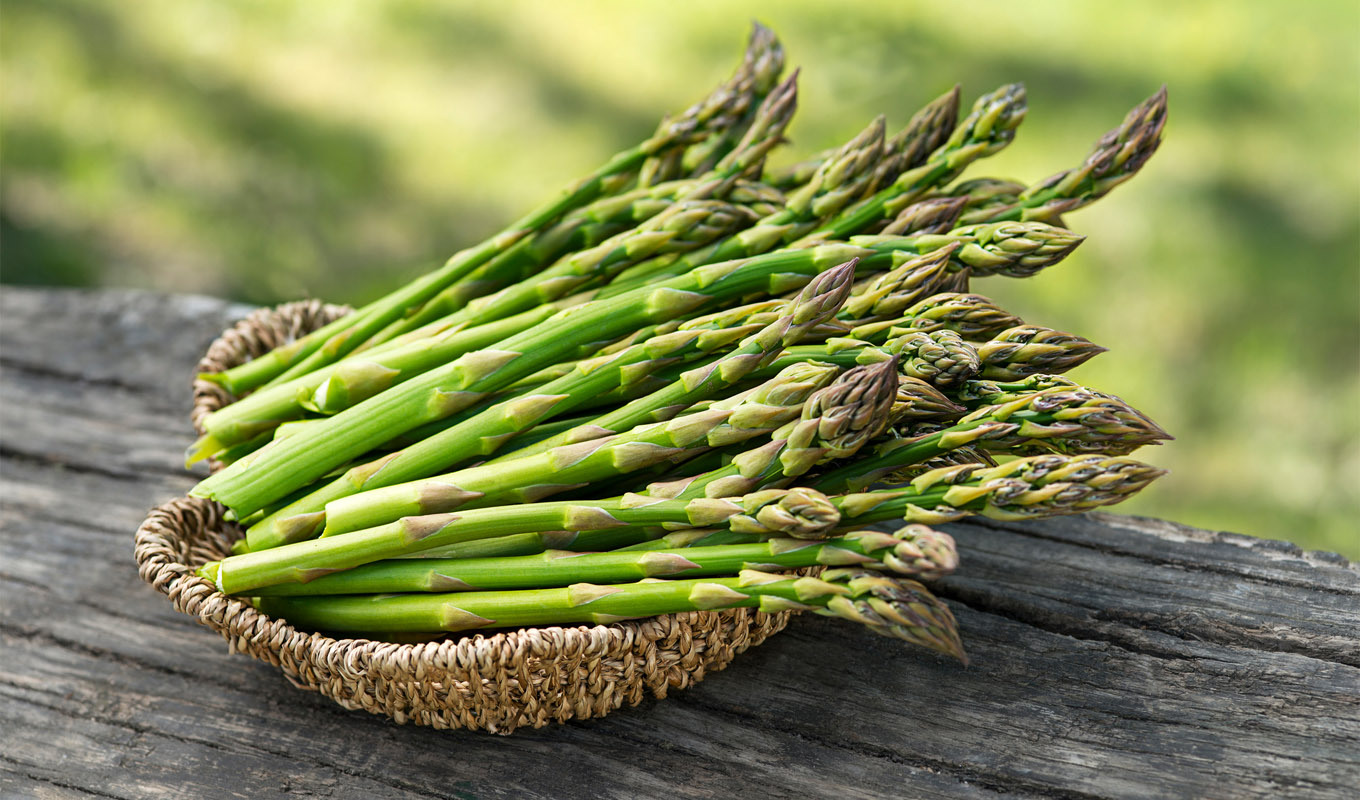
Asparagus is not just another green vegetable. It’s packed with essential nutrients and low in calories, making it a great option for anyone’s diet.
The long and lean vegetable is loaded with vitamins A, C, E, K, and B6, and it also includes benefits like folate, iron, copper, calcium, protein, potassium, and fiber.
Vitamin K, for instance, is great for blood clotting and bone health, and folate helps cell growth and DNA synthesis. Folate is also very beneficial for babies growing in the womb and helps reduce the risk of neural tube defects during pregnancy.
This veggie doesn’t stop there. Asparagus is a good source of antioxidants, which help protect your cells from harmful things like free radicals and oxidative stress. It also has prebiotics that help feed beneficial gut bacteria. Some say it can have a laxative effect, which can help with chronic constipation, though more human research is needed.
Asparagus also may act as a natural diuretic, helping the body flush excess salt and water. This can help support kidney and urinary health. It’s even been known to help treat UTIs.
Healthline says some studies suggest this superfood may reduce cholesterol and blood pressure as well.
Cooking asparagus increases its health value
While it can be eaten raw, cooking asparagus will help boost the antioxidants and nutrients you get from consuming it. Enjoy it as a steamed side dish, or fix it grilled, sauteed, oven-roasted, blanched, stir fried, or boiled.
This vegetable doesn’t need much when preparing. Simply add the classic trio of olive oil, salt, and pepper, or use lemon juice and garlic. Parmesan or feta cheese, butter, balsamic glaze, and herbs are other favorites to add for flavor (though not necessarily together).
Stalking asparagus
How do you choose asparagus? Keep these tips from the University of Arkansas Division of Agriculture in mind next time you’re at the market:
- Make sure the bottom of the stalks are free from excessive dryness.
- Check for tightly closed green tips and no signs of mushiness or yellowing.
- Choose stalks similar in diameter so they cook evenly.
- Look for triangular scales that hold tightly to the spear.
- Check to ensure there’s no sign of secondary sprouting from inside the scales.
- Make sure the spear is straight and strong, with no signs of wilting, softness, or rubbery stalks.
- Cut or snap off the woody, whitish end.
Growing asparagus
If you want to plant asparagus, Michigan State University Extension recommends planting in full sun with well-drained, sandy soil. Harvest in the third year after planting when they are 6-10 inches tall and the tip is still tight. Cut the spears 1-2 inches below the soil surface and store cold, clean, and covered. Their roots will provide another crop the next year.
Recipes for asparagus
While asparagus is delicious plain, it can be even better with some special touches. Here are some recipes.
- Roasted asparagus with garlic
- Asparagus pasta salad
- Shaved asparagus salad
- Roasted lemon parmesan garlic asparagus
- Asparagus casserole
- Cream of asparagus soup
Asparagus is nutritious and delicious any time of the year.